
Sweet Potato Cinnamon Rolls
When the sweet potato goes into the yeast mixture, the dough takes on a soft orange color and a little extra moisture. That’s the part that can make cinnamon roll…

By Ava
•
•
Reading time: 10 min
Tip: save now, make later.
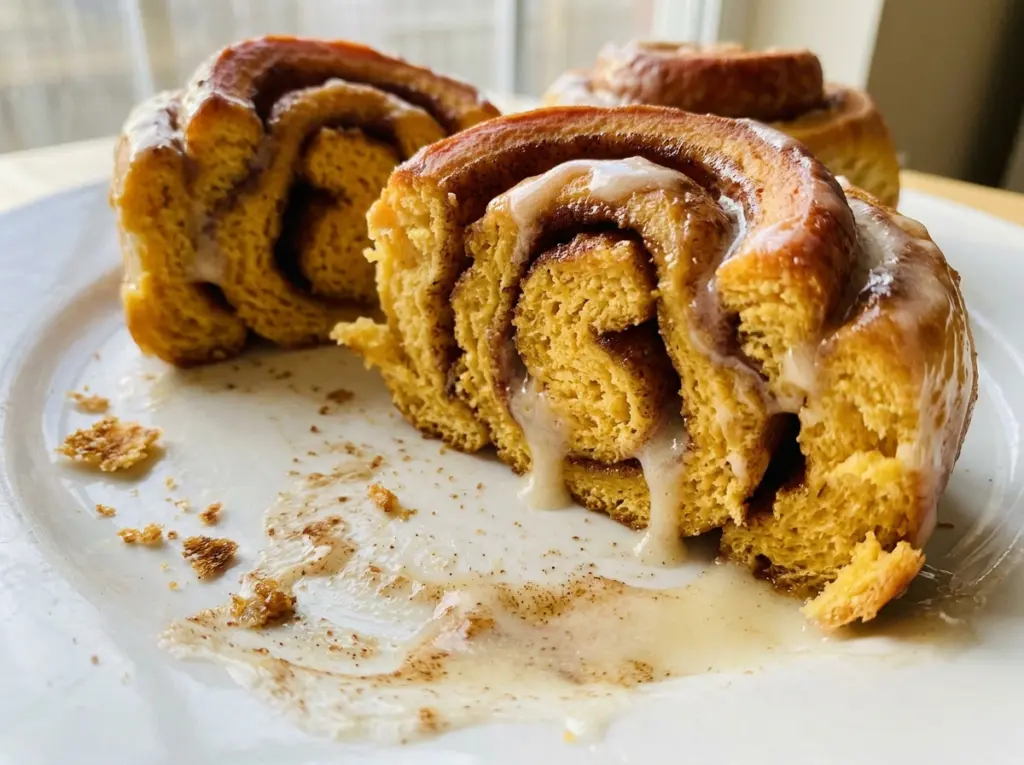
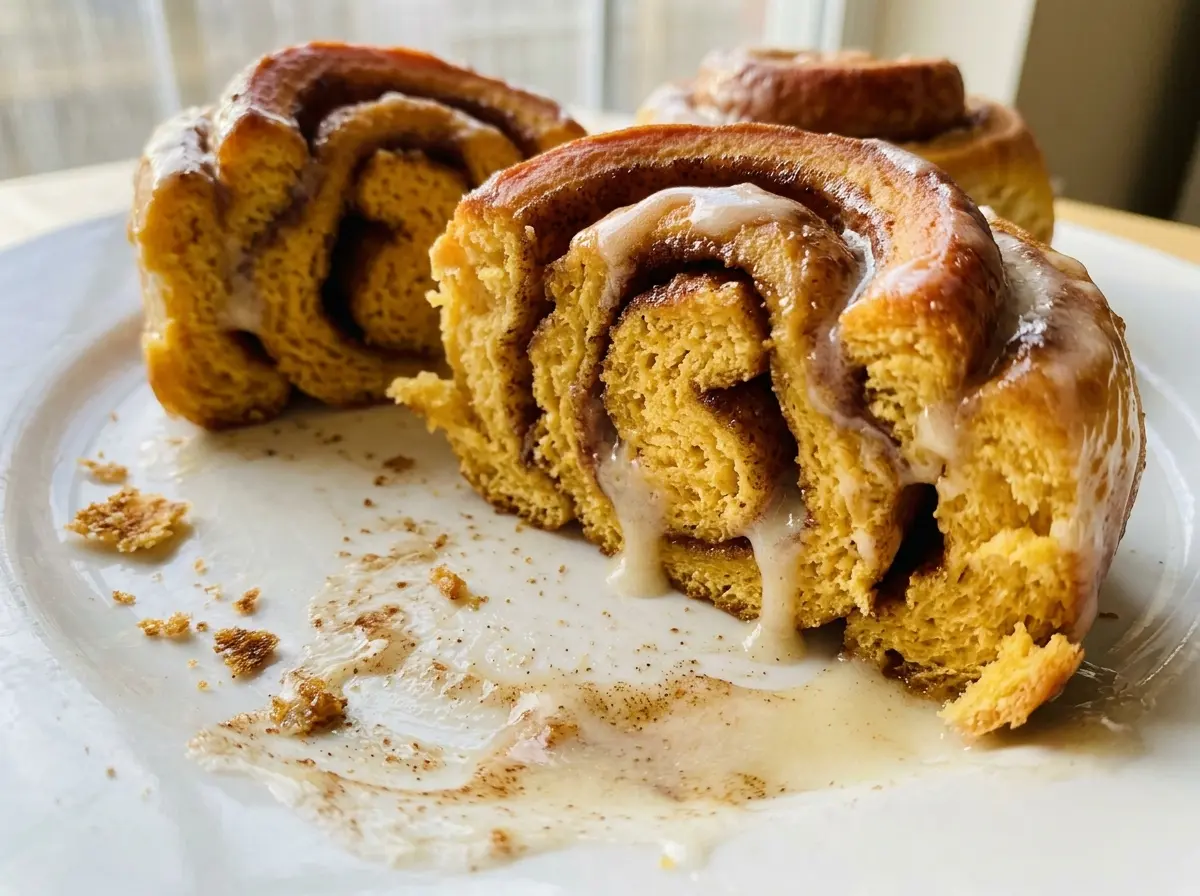
When the sweet potato goes into the yeast mixture, the dough takes on a soft orange color and a little extra moisture. That’s the part that can make cinnamon roll dough feel different from the usual enriched dough, so I pay attention to its texture instead of reaching for extra flour too quickly. These sweet potato cinnamon rolls bake up tender, with cinnamon sugar tucked into every spiral.
I use cooled mashed sweet potato and add the last of the flour gradually while kneading. The dough should turn smooth and elastic, not stiff. Give it time to rise until doubled, then again until the shaped rolls look puffy and nearly touch in the pan. A thick cream cheese icing goes over the rolls while they’re still warm, softening into the cinnamon-sugar swirls.
Kitchen Note
Let the mashed sweet potato cool before it goes into the yeast mixture. Warm mash can push the liquid warmer than intended, and that can make the yeast less reliable.
Save these sweet potato cinnamon rolls for a slow morning—the soft, orange-tinted dough is wrapped around buttery cinnamon sugar and finished with cream cheese icing.
Why Sweet Potato Dough Needs a Lighter Hand with Flour
Mashed sweet potato brings moisture and starch into the dough, so it won’t feel exactly like a plain cinnamon roll dough while you’re kneading. If you add too much flour just to make it feel firm, the baked rolls can lose some of their softness. Start with the first four cups, then work in the remaining half cup gradually as you knead.
Watch for the change in texture: the dough should become smooth and elastic over its 8 to 10 minutes of kneading. It may feel a little softer than you expect, but it shouldn’t stay shaggy or tear easily when you stretch it. Letting the dough rise until doubled gives the yeast time to lift that enriched mixture, rather than trying to fix a slow rise by packing in more flour. The final dough should be supple enough to roll into a rectangle without fighting you.
What Sweet Potato, Yeast, and Butter Each Bring to the Dough

- Sweet potato — Plain mashed cooked sweet potato gives the dough its color, moisture, and gentle sweetness. Mash it until smooth so you don’t have bits interrupting the dough, and let it cool before mixing. Plain canned sweet potato puree is a convenient stand-in; avoid sweetened pie filling.
- Active dry yeast — This yeast is activated in warm milk with granulated sugar before the dough is mixed. Freshness matters more here than brand; the mixture should turn foamy after standing. Instant yeast doesn’t follow this same activation step, so active dry yeast is the dependable choice for this method.
- Whole milk — Whole milk adds richness to the dough. Two-percent milk can work in the same amount, though the dough will be a little less rich. Warm it to the specified range rather than guessing by touch, since overly hot milk can harm the yeast.
- All-purpose flour — All-purpose flour keeps the rolls tender while still giving the dough enough structure to rise and hold its filling. A reliable everyday bag is fine; weigh or spoon the flour into your measuring cup rather than packing it down, which can leave you with too much.
- Butter and brown sugar — Unsalted butter lets the salt level stay controlled, while packed light brown sugar melts into a moist, cinnamon-filled center. Softened butter spreads without tearing the dough; melted butter belongs in the dough, not the filling.
- Cinnamon and cream cheese — Ground cinnamon gives the filling its familiar warmth, so use a jar that still smells fragrant when you open it. For the icing, choose cream cheese that softens enough to beat smoothly; cold cream cheese is more likely to leave little lumps.
From Foamy Yeast to Soft, Iced Spirals
Wake Up the Yeast Before Mixing
Warm the milk to 105–110°F, then stir in the active dry yeast and granulated sugar. Leave it for 5–10 minutes, until a foamy layer forms across the surface. If it stays flat, don’t move on and hope for the best; the yeast mixture hasn’t shown the activity this dough needs. Stir in the cooled sweet potato, egg, melted dough butter, and salt once it’s foamy.
Knead Until the Dough Turns Elastic
Mix in four cups of flour until a shaggy dough forms, then knead by hand or with a stand mixer and dough hook for 8–10 minutes. Add the remaining half cup gradually as you work, watching for the dough to become smooth and elastic. Coat a large bowl lightly with cooking spray, add the dough, cover it, and let it rise for 1 to 1½ hours, until doubled in size. A dough that still looks dense and hasn’t expanded needs more time.
Roll, Fill, and Let the Spirals Puff
Spray a 9×13-inch baking dish with nonstick cooking spray. Punch down the dough and roll it on a lightly floured surface into a 16×12-inch rectangle, using the reserved flour for dusting. Spread the softened filling butter over the dough, leaving a half-inch border along one long edge, then scatter the brown sugar and cinnamon evenly across it. Roll snugly from the opposite long edge toward the bare border, pinch the seam closed, and cut 12 equal rolls. Set them cut side up in the dish, cover, and let rise for 30–45 minutes, until puffy and nearly touching.
Bake to a Set Center, Then Ice While Warm
Start preheating the oven to 350°F during the final 15 minutes of the rolls’ rise. Bake for 25–30 minutes, until golden brown and the center roll registers about 190°F on an instant-read thermometer. While they bake, beat the softened cream cheese until smooth, then beat in the powdered sugar and vanilla until creamy. Let the rolls rest in the pan for 10 minutes before spreading on the icing; it softens over the warm tops without disappearing completely into the spirals.
Two Ways to Change These Sweet Potato Cinnamon Rolls
Use dark brown sugar for a deeper filling
Swap the packed light brown sugar for the same amount of packed dark brown sugar. Its stronger molasses flavor makes the filling taste deeper and a touch less delicate, while the cinnamon stays front and center.
Make the rolls dairy-free
Use unsweetened plain dairy-free milk in place of the whole milk, stick-style vegan butter for both portions of butter, and dairy-free cream cheese for the icing. Keep the amounts the same. The rolls will be a little less rich, and the icing’s thickness will depend on the dairy-free cream cheese you choose.
Storage and Reheating
- Refrigerator: Refrigerate iced rolls within 2 hours and keep them in an airtight container for 3–4 days. The icing firms up when cold.
- Freezer: Freeze the baked rolls without icing, wrapped individually and stored in an airtight container, for up to 2 months. Make the icing fresh for the best texture.
- Reheating: Warm a refrigerated roll in the microwave for about 10–15 seconds. The icing will soften, so stop once the center is warm; longer heating can dry the dough.
Questions That Come Up While Making These Rolls
Sweet Potato Cinnamon Rolls
Ingredients
Equipment
Method
- Warm the milk to 105–110°F.
- Stir in the yeast and granulated sugar.
- Let the mixture stand for 5–10 minutes until foamy.
- Stir in the sweet potato, egg, melted 1/4 cup butter, and salt.
- Mix in 4 cups of the flour until a shaggy dough forms.
- Knead by hand or with a stand mixer and dough hook for 8–10 minutes, gradually adding the remaining 1/2 cup flour, until the dough is smooth and elastic.
- Lightly coat a large bowl with cooking spray and add the dough.
- Cover and let rise for 1–1 1/2 hours until doubled in size.
- Spray a 9x13-inch baking dish with nonstick cooking spray.
- Punch down the dough and roll it on a lightly floured work surface into a 16x12-inch rectangle, using the reserved 2 tablespoons flour for dusting.
- Spread the softened 1/2 cup butter over the dough, leaving a 1/2-inch border along one long edge.
- Stir the brown sugar and cinnamon together in a small bowl.
- Sprinkle the cinnamon-sugar mixture evenly over the buttered dough.
- Roll the dough snugly from the long edge opposite the bare border toward that border.
- Pinch the seam closed and cut into 12 equal rolls.
- Place the rolls cut side up in the prepared dish.
- Cover and let rise for 30–45 minutes until puffy and nearly touching.
- During the final 15 minutes of rising, preheat the oven to 350°F.
- Bake for 25–30 minutes, until golden brown and the center roll registers about 190°F on an instant-read thermometer.
- Beat the cream cheese until smooth.
- Beat in the powdered sugar and vanilla until creamy.
- Let the rolls rest in the pan for 10 minutes.
- Spread the icing over the warm rolls.