
Soft Apple Cider Cookies With Cinnamon Glaze – Homemade Recipe
As the cider simmers, the kitchen starts to smell like warm apples, and the liquid slowly darkens and concentrates. I use that reduced cider to give these soft apple cider…

By Ava
•
•
Reading time: 9 min
Tip: save now, make later.
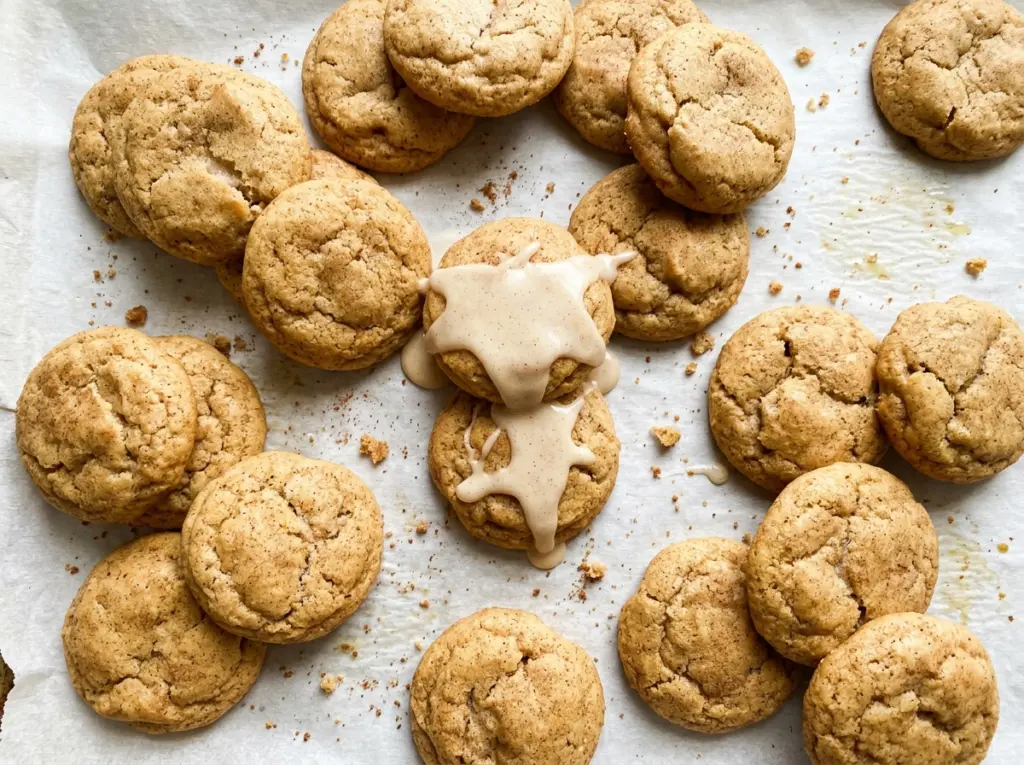
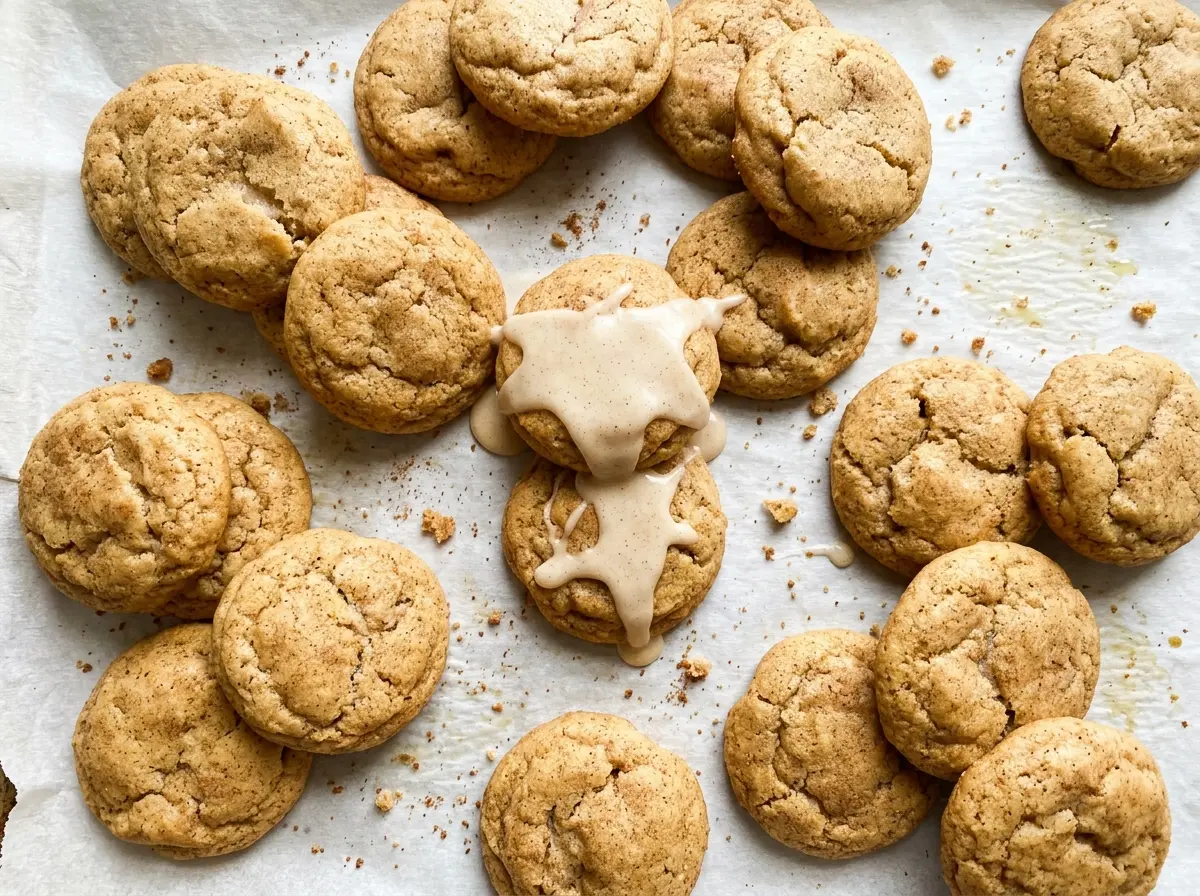
As the cider simmers, the kitchen starts to smell like warm apples, and the liquid slowly darkens and concentrates. I use that reduced cider to give these soft apple cider cookies their apple flavor without making the dough too wet to scoop. Cinnamon and nutmeg round out the cookies, and a simple cinnamon glaze adds a sweet finish.
These cookies are tender rather than crisp, with edges that set while the middle stays soft. The dough is sticky after mixing, so chilling it is part of the method—not a step to skip when you’re in a hurry. Once it’s cold, the portions are easier to handle and bake into soft, gently spiced cookies.
The glaze goes on only after the cookies have cooled completely. It sets into a thin cinnamon-sugar layer that gives each bite a little sweetness without hiding the apple cider underneath.
Kitchen Note
Give the dough the full 45 minutes to chill before you start scooping. If you have time, the full hour makes this sticky dough easier to portion neatly without changing the soft texture.
Save these soft apple cider cookies with cinnamon glaze for a cozy bake with concentrated cider flavor and a tender middle.
Why These Cookies Need Cider Reduction, Not a Splash Straight from the Jug
Apple cider brings plenty of liquid along with its flavor. If it goes straight into cookie dough, that extra moisture can leave the dough loose and make it harder to get the soft, rounded cookies you want. Simmering the cider first concentrates its apple taste while reducing the amount of liquid that enters the dough.
Start with the full amount of cider and let it simmer until you have one-third of that volume left. The reduction should be cool before it meets the butter mixture; warm liquid can soften the butter and change the consistency of the dough. Don’t try to make up for a short reduction by adding extra flour. That can make the cookies dense, while the cider still tastes less concentrated. Let the cider do its job, then measure the cooled reduction and use it in the dough.
This is also why plain apple juice won’t give quite the same result. The cider’s fuller apple character carries through the spices and keeps the cookies tasting like apple, not just cinnamon sugar.
The Ingredients That Give These Cookies Their Apple-Forward Flavor

- Apple cider — This is the defining flavor, and reducing it makes that apple taste more noticeable in each cookie. Choose a cider you enjoy drinking; a sharper or less flavorful cider will come through less clearly after baking. Use nonalcoholic apple cider rather than hard cider.
- All-purpose flour — Flour gives the cookies enough structure to hold their soft shape. Spoon it into the measuring cup and level it off rather than scooping and packing; too much flour can leave the centers dry. A cup-for-cup gluten-free baking blend is the most useful alternative, though the texture may be a little different.
- Butter and sugars — Softened unsalted butter creams with the brown and granulated sugars to create the cookie base. Brown sugar brings moisture and a mild caramel note, while granulated sugar balances it. Butter should be soft enough to beat smoothly, not melted.
- Egg and leaveners — The egg binds the dough, and baking powder and baking soda help the cookies rise. Measure the leaveners carefully; extra can leave an unpleasant taste and affect how the cookies spread.
- Cinnamon and nutmeg — Ground cinnamon appears in both the dough and glaze, tying the flavors together. Nutmeg adds a quieter warmth behind it. Fresh, fragrant spices make a difference here, but there’s no need to buy a specialty brand.
- Confectioners’ sugar, milk, and vanilla — Confectioners’ sugar makes the glaze smooth and sweet, while milk loosens it enough to drizzle. Vanilla softens the sweetness. Use milk with a consistency you can pour easily; the glaze should whisk smooth rather than stay in a stiff paste.
From Reduced Cider to Soft, Glazed Cookies
Reduce the Cider Until Concentrated
Bring the apple cider to a simmer in a small saucepan over medium heat. Cook it for 12–18 minutes, until it has reduced from 1 1/2 cups to 1/2 cup. Keep an eye on the volume toward the end so it doesn’t reduce past the amount you need. Set it aside to cool completely before mixing the dough.
Make a Light Butter Base
Whisk the flour, baking powder, baking soda, cinnamon, nutmeg, and salt in a medium bowl. In a large bowl, beat the softened butter with both sugars for about 2 minutes, until light and fluffy. Beat in the egg, then mix in the cooled cider until combined. Add the flour mixture and stop as soon as no dry streaks remain; mixing longer can make the cookies tough.
Chill and Portion the Dough
Cover the dough and chill it for 45–60 minutes. It will be firm enough to scoop more cleanly after chilling, though it remains soft. Heat the oven to 350°F and line two baking sheets with parchment paper. Scoop the dough into 1 1/2-tablespoon portions, leaving about 2 inches between them so the cookies have room to spread.
Bake, Cool, and Add the Glaze
Bake for 10–12 minutes, switching the sheets’ rack positions halfway through. Look for set edges and tops that appear dry; the centers should still feel soft. Cool the cookies on the sheets for 5 minutes, then move them to a wire rack and cool completely. Whisk the confectioners’ sugar and cinnamon with the milk and vanilla until smooth, drizzle it over the cookies, and let the glaze set for about 20 minutes before serving.
Simple Ways to Adapt These Cider Cookies
Make Them Gluten-Free
Replace the all-purpose flour with a cup-for-cup gluten-free baking blend intended for cookies. The dough may feel a little different to scoop, and the finished cookies may be slightly less tender, but the concentrated cider and cinnamon still come through.
Use Dairy-Free Butter and Milk
For a dairy-free version, use plant-based butter sticks in place of the unsalted butter and unsweetened plant milk in the glaze. Choose a butter alternative meant for baking so it creams properly; the cookies may spread a little differently, and the glaze can have a faintly different flavor.
Make the Spice More Cinnamon-Forward
Leave out the nutmeg and use that same amount of ground cinnamon instead. You’ll get a more direct cinnamon flavor with less of the warm, nutty note, while keeping the overall spice level gentle.
Storage and Reheating
- Refrigerator: Refrigeration isn’t needed. Store the glazed cookies in an airtight container at room temperature for up to 4 days; chilling can make them firmer.
- Freezer: For the best finish, freeze the cooled cookies without glaze in an airtight container for up to 2 months. Thaw them at room temperature, then glaze and let the topping set.
- Reheating: These are best at room temperature. Avoid reheating glazed cookies, since the glaze will soften and melt.
Questions That Come Up When Baking Apple Cider Cookies
Soft Apple Cider Cookies With Cinnamon Glaze – Homemade Recipe
Ingredients
Equipment
Method
- Bring the apple cider to a simmer in a small saucepan over medium heat and cook until reduced to 1/2 cup, 12–18 minutes.
- Cool the reduced cider completely.
- Whisk the flour, baking powder, baking soda, cinnamon, nutmeg, and salt together in a medium bowl.
- Beat the softened butter, brown sugar, and granulated sugar in a large bowl until light and fluffy, about 2 minutes.
- Beat in the egg.
- Mix in the cooled cider until combined.
- Add the flour mixture and mix just until no dry streaks remain.
- Cover and chill the dough for 45–60 minutes.
- Heat the oven to 350°F.
- Line two baking sheets with parchment paper.
- Scoop the dough into 1 1/2-tablespoon portions onto the prepared sheets, spacing them about 2 inches apart.
- Bake for 10–12 minutes, switching the sheets’ rack positions halfway through, until the edges are set and the tops look dry.
- Cool the cookies on the sheets for 5 minutes.
- Transfer the cookies to a wire rack and cool completely.
- Whisk the confectioners’ sugar and cinnamon with the milk and vanilla until smooth.
- Drizzle the glaze over the cooled cookies.
- Let the glaze set for about 20 minutes before serving.