
Pommes Aligot Cheesy Whipped Potatoes
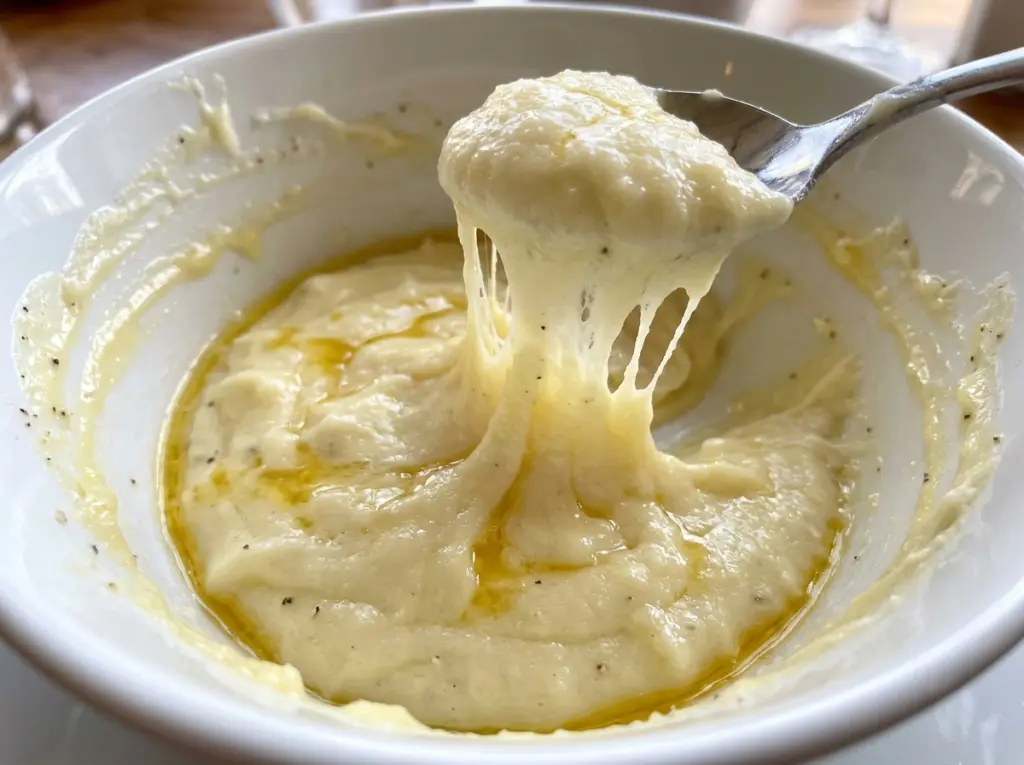
As the cheese melts into the potatoes, the mixture changes from a soft mash to something glossy that pulls into long, stretchy ribbons. That change happens quickly, and I’ve found…

By Ava
•
•
Reading time: 8 min
Tip: save now, make later.
As the cheese melts into the potatoes, the mixture changes from a soft mash to something glossy that pulls into long, stretchy ribbons. That change happens quickly, and I’ve found it’s much easier to control when the potatoes are dry before the cheese goes in. These pommes aligot cheesy whipped potatoes are rich, savory, and best served while they’re still warm enough to stretch.
Russet potatoes give the base a fluffy texture, while Gruyère brings a nutty depth and low-moisture mozzarella supplies the signature pull. I pass the cooked potatoes through a ricer or food mill, then stir them over low heat for a minute or two to let excess steam escape. That small pause gives the cheese a drier, more even base to melt into.
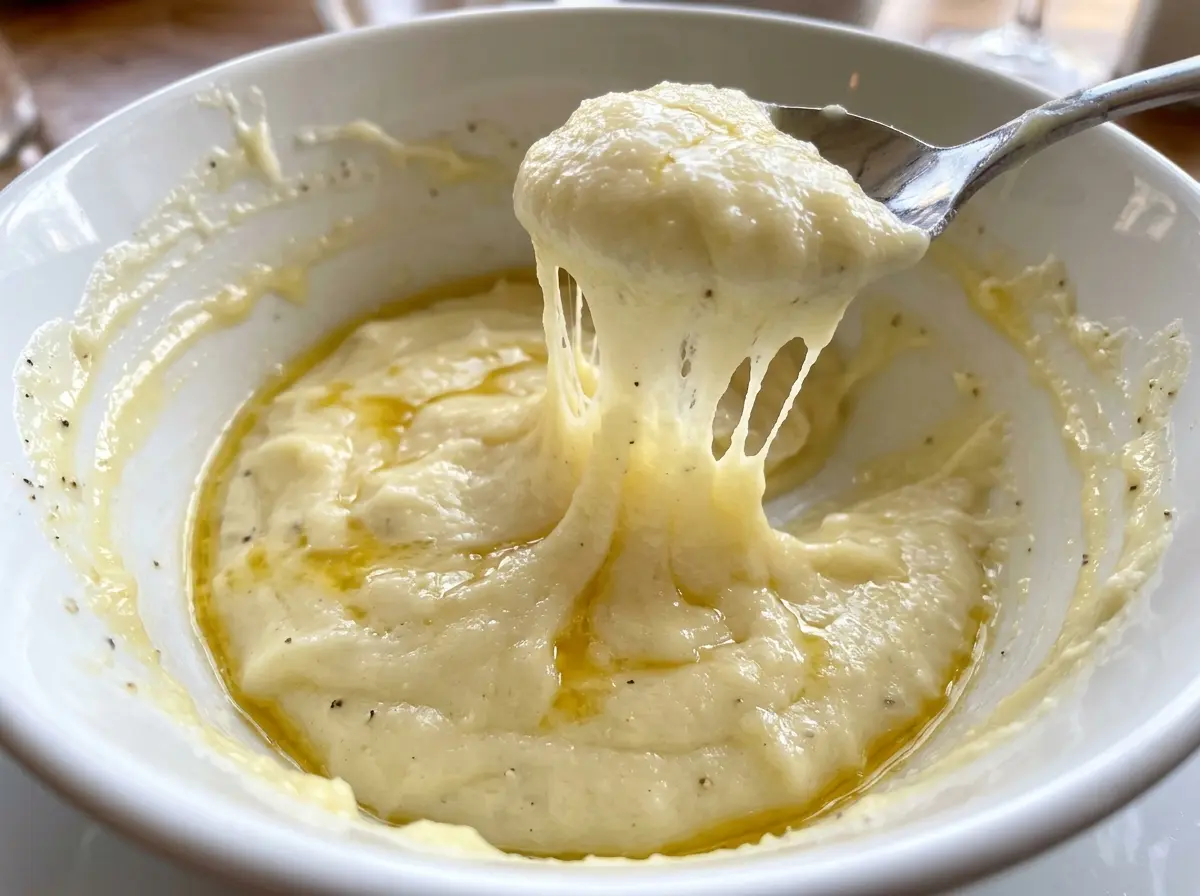
Keep the heat gentle once the cheese is in the pot. You’re looking for a smooth, shiny potato mixture that stretches when you lift the spoon—not a hard boil or a stiff lump. Set it on the table right away, while the ribbons are long and the edges are still soft.
Kitchen Note
Watch for the potatoes to turn glossy as you beat in the cheese. Once they stretch in ribbons and the cheese has melted, stop and serve; extra time on the heat can make the mixture tighten up.
Save these pommes aligot cheesy whipped potatoes for a meal that calls for nutty Gruyère and warm, stretchy ribbons of cheese.
Why Aligot Needs Dry Potatoes Before the Cheese Goes In
There’s a useful distinction between potatoes that are fluffy and potatoes that are merely soft. A fork-tender potato still holds plenty of water after boiling, and that extra moisture can leave aligot loose before the cheese has a chance to turn it stretchy. Draining well helps, but it isn’t the whole job: after the potatoes are riced, a brief stint over low heat lets steam escape from the mash itself.
That’s also why I use a ricer or food mill instead of working the potatoes hard with a mixer. Russets are naturally starchy, and aggressive mashing can break down too much of that starch, making the texture pasty or gluey. Ricing keeps the pieces light and even, so the butter and cream blend in without leaving lumps.
Keep the pot at low heat during the cheese stage, too. The goal is to melt the cheese into the potato—not cook the mixture harder. Once the surface looks glossy and the spoon draws out a stretchy strand, the texture is where you want it.
Why Russets, Gruyère, and Low-Moisture Mozzarella Matter

- Russet potatoes — Their dry, starchy flesh makes a light base that can take on the melted cheese without starting out waterlogged. Peel and cut them into even 1-inch chunks so they cook at a similar pace.
- Gruyère — Freshly grated Gruyère adds a nutty, savory flavor that mozzarella alone can’t provide. Grate it yourself for a smoother melt; pre-shredded cheese is often coated to keep the shreds separate, which can make the finished potatoes less silky.
- Low-moisture whole-milk mozzarella — This is what gives aligot its characteristic pull. Low-moisture mozzarella melts into the potatoes without bringing the extra water that fresh mozzarella would add. Freshly grate it so it melts evenly.
- Heavy cream and unsalted butter — The butter gives the potatoes richness, while the cream loosens the mash and helps it turn smooth. Warm them together before mixing them in; cold cream can cool the potatoes before the cheese has melted.
- Garlic — A small amount gently cooked in the butter gives the base a savory note without leaving raw, sharp garlic in the finished dish. Finely grate it so it disperses into the warm butter and cream.
How to Build Aligot From Tender Potatoes to Stretchy Cheese
Simmer the potato chunks until fork-tender
Put the peeled, 1-inch potato chunks in a 5-quart pot, cover them with cold water by 1 inch, and add 1 1/2 teaspoons of the kosher salt. Bring the water to a boil over high heat, then lower the heat and simmer for 15–20 minutes. The potatoes are ready when a fork slides in easily without the chunks falling apart. If the centers still feel firm, give them another minute or two before draining.
Rice the potatoes and let steam escape
Drain the potatoes well, then pass them through a potato ricer or food mill back into the pot. Set the pot over low heat and stir for 1–2 minutes. The loose steam should lessen as moisture cooks off; don’t rush this by turning up the burner. A dry, fluffy mash is easier to combine smoothly with the warm dairy.
Warm the garlic, butter, and cream gently
While the potatoes cook, melt the butter in a small saucepan over medium-low heat. Stir in the finely grated garlic and cook for 30 seconds, just until fragrant, without letting it brown. Add the cream and heat until steaming, about 2 minutes. If it starts to bubble or boil, pull it off the heat; boiling isn’t needed to warm the mixture.
Beat in the cheese over low heat
Beat the warm butter mixture into the riced potatoes, then add the Gruyère and mozzarella a handful at a time. Keep the pot over low heat and beat as each addition melts before adding the next. The whole cheese stage takes about 3–5 minutes, and the mixture should become glossy and stretchy rather than oily or stiff. Beat in the remaining 1/2 teaspoon salt and the black pepper, then serve immediately.
Small Changes That Shift the Flavor of Pommes Aligot
Leave out the garlic for a cleaner cheese flavor
Skip the garlic and melt the butter before stirring in the cream. The result is less aromatic, with the nutty Gruyère and milky mozzarella coming through more clearly. Keep the rest of the method unchanged.
Make the cheese more Gruyère-forward
Shift the balance toward Gruyère and use less mozzarella for a deeper, nuttier flavor. You’ll give up some of the pronounced mozzarella stretch, so keep some low-moisture mozzarella in the mix if that long pull is what you want from aligot.
Storage and Reheating
- Refrigerator: Store leftovers in an airtight container for 3–4 days. The potatoes will firm up as they chill, and they won’t be as stretchy as they were freshly made.
- Freezer: Freezing isn’t a good fit for aligot. The potatoes and cheese can separate or turn grainy as they thaw.
- Reheating: Warm leftovers gently in a saucepan over low heat, stirring often, until they reach 165°F. Avoid high heat, which can make the cheese greasy and the potatoes stiff.
Questions That Come Up When Making Pommes Aligot
Pommes Aligot Cheesy Whipped Potatoes
Ingredients
Method
- Put the potatoes in a 5-quart pot and cover with cold water by 1 inch.
- Add 1 1/2 teaspoons of the salt.
- Bring to a boil over high heat.
- Reduce the heat and simmer for 15–20 minutes, until the potatoes are easily pierced with a fork.
- Drain the potatoes well.
- Pass them through a potato ricer or food mill back into the pot.
- Set the pot over low heat and stir for 1–2 minutes to steam off excess moisture.
- While the potatoes cook, melt the butter in a small saucepan over medium-low heat.
- Add the garlic and cook for 30 seconds.
- Stir in the cream and heat until steaming, about 2 minutes, without letting it boil.
- Beat the warm butter mixture into the potatoes.
- Add the Gruyère and mozzarella a handful at a time, beating over low heat until the cheese is melted and the potatoes are glossy and stretchy, about 3–5 minutes.
- Beat in the remaining 1/2 teaspoon salt and the pepper.
- Serve immediately.