
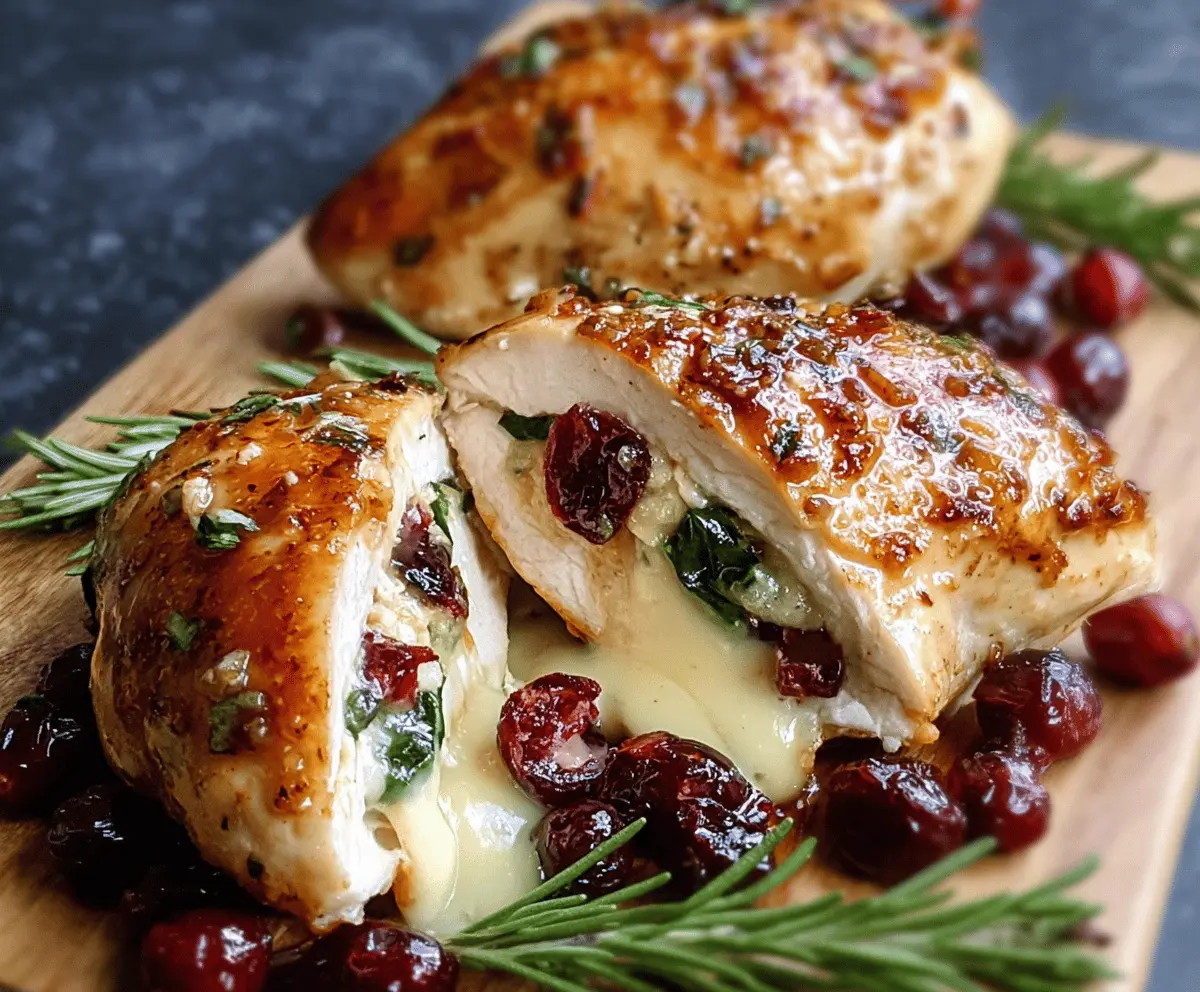
Italian Dressing Baked Chicken
Italian dressing baked chicken comes out juicy, browned at the edges, and packed with the kind of tangy, garlicky flavor that tastes like you worked a lot harder than you…

By Ava
•
•
Reading time: 9 min
Tip: save now, make later.
Italian dressing baked chicken comes out juicy, browned at the edges, and packed with the kind of tangy, garlicky flavor that tastes like you worked a lot harder than you did. The dressing does more than season the chicken. It helps tenderize the meat while the oven turns the outside into a lightly caramelized, savory crust.
The trick is using the dressing as a real marinade, not just a quick coating. The acid and oil in the dressing carry the herbs and garlic into the chicken, while a hot oven finishes the job fast enough to keep the breasts from drying out. A little Parmesan on top adds a salty, golden finish that makes the whole dish feel complete.
Below you’ll find the timing that keeps the chicken juicy, plus the small details that matter if you want browned tops instead of pale, steamed chicken. It’s a simple method, but a few smart choices make it work every time.
The chicken stayed juicy and the Parmesan got those little golden spots on top without drying anything out. I marinated it for about 4 hours and the flavor went all the way through.
Juicy baked chicken with Italian dressing and Parmesan is the kind of dinner that disappears fast — pin it for the nights when you need something simple that still feels like a win.
The Marinade That Keeps Chicken Breasts from Turning Dry
Chicken breasts fail when they go into the oven bland, cold, and too wet on the surface. The marinade in this recipe solves two problems at once: it seasons the meat and gives the outside enough oil to brown instead of steam. That’s why the chicken comes out juicy even though it bakes uncovered.
The other part that matters is the bake temperature. A hotter oven shortens the cooking time, which protects the chicken from drying out before the center reaches 165°F. If your pieces are uneven in thickness, pound them lightly before marinating so they finish at the same time.
- Italian dressing — This is the backbone of the dish. The vinegar, oil, herbs, and garlic in the dressing do more work than a dry seasoning blend ever could. Store-bought dressing works fine here, but use one you like the taste of straight from the bottle because that flavor gets concentrated in the oven.
- Chicken breasts — Boneless, skinless breasts are lean, so they benefit the most from this marinade. If yours are extra thick, slice them into cutlets or pound them to an even thickness for better timing and more even browning.
- Parmesan cheese — Freshly grated Parmesan melts into a salty, golden top. The pre-shredded kind can work in a pinch, but it won’t melt as smoothly and can give you a drier finish.
- Lemon slices — These aren’t just for looks. A squeeze of lemon right before serving lifts the whole dish and keeps the dressing from tasting flat after baking.
Marinating, Baking, and Finishing Without Losing the Juices
Let the Dressing Do the Heavy Lifting
Coat the chicken thoroughly in the dressing and seasonings, then let it sit for at least 30 minutes. That short rest gives the salt time to work into the meat and helps the herbs stick instead of sliding off in the pan. If you have time for up to 8 hours, the flavor goes deeper, but don’t push it much longer or the texture can start to turn a little soft on the surface.
Start with a Hot Pan and a Single Layer
Lightly oil the baking dish, then lay the chicken in without overlapping. Crowding traps steam, and steam is the enemy of browning. Let the excess marinade drip off before the chicken goes in; too much liquid in the pan will pool underneath and keep the tops from getting those caramelized edges.
Bake Until the Center Is Done, Not the Clock
Bake uncovered until the chicken reaches 165°F at the thickest part and the tops are golden with a few browned spots. The exact time depends on thickness, so start checking near the lower end of the range. If the chicken looks browned on top before it’s cooked through, loosely tent it with foil for the last few minutes instead of lowering the heat too early.
Rest Before Slicing
Let the chicken rest for 5 minutes after it comes out of the oven. That pause keeps the juices in the meat instead of on the cutting board. Slice too soon and the first cut will send all that good moisture running out.
Make It Dairy-Free
Skip the Parmesan and finish with extra parsley and lemon instead. You’ll lose the salty, savory crust from the cheese, but the chicken will still be tender and flavorful because the marinade carries most of the work.
Use Chicken Thighs Instead
Boneless, skinless thighs stay even juicier and can handle a little extra time in the oven. Expect a richer, softer bite and check doneness around the same temperature, but don’t count on the same total bake time as breasts.
Go Gluten-Free Without Changing the Method
Most Italian dressings are already gluten-free, but check the label if you’re using store-bought. The rest of the recipe stays exactly the same, so this is one of the easiest dinners to adapt without changing the texture or cook time.
Storage and Reheating
- Refrigerator: Store leftovers in an airtight container for up to 4 days. The chicken stays moist, though the Parmesan topping softens a bit after chilling.
- Freezer: It freezes well for up to 2 months. Slice the chicken first and freeze it with a little of the pan juices so it reheats more gently.
- Reheating: Warm it covered at 300°F in the oven with a spoonful of water or broth in the dish, or reheat gently in a skillet over low heat. High heat dries out chicken breasts fast, especially once they’ve already been cooked.
Answers to the Questions Worth Asking
Italian Dressing Baked Chicken
Ingredients
Equipment
Method
- Place the boneless skinless chicken breasts in a large zip-lock bag or shallow dish and pour the Italian dressing over them to coat each piece.
- Add the garlic powder, onion powder, dried Italian seasoning, salt, black pepper, and red pepper flakes (if using) to the bag, then seal and toss gently so seasoning is evenly distributed.
- Refrigerate at 40°F or below for at least 30 minutes, or up to 8 hours, while the flavors soak in and the chicken stays cold.
- Preheat the oven to 425°F (220°C) and lightly grease a baking dish with olive oil.
- Remove the boneless skinless chicken breasts from the marinade, let any excess drip off, and arrange them in a single layer in the prepared baking dish.
- Sprinkle the freshly grated Parmesan cheese evenly over the top of each chicken breast so the surface will turn golden.
- Bake uncovered for 22–28 minutes at 425°F (220°C), until the chicken reaches an internal temperature of 165°F (74°C) and the tops are golden with slightly caramelized edges.
- Let the chicken rest for 5 minutes so the juices stay in the meat and slicing stays easy.
- Garnish with fresh parsley and serve with lemon slices alongside pasta, rice, roasted vegetables, or a crisp garden salad.