
Crispy Parmesan Roasted Broccoli
The broccoli should come out of the oven with browned edges, not soft, pale florets sitting in a puddle of oil. I’ve found that the difference often starts before the…

By Ava
•
•
Reading time: 8 min
Tip: save now, make later.
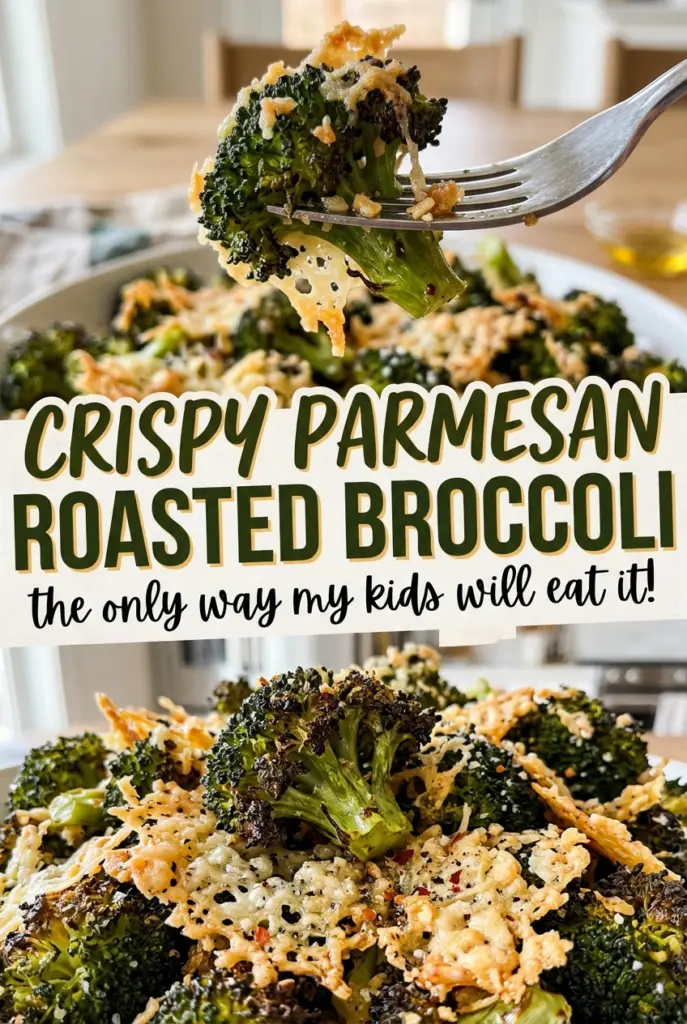
The broccoli should come out of the oven with browned edges, not soft, pale florets sitting in a puddle of oil. I’ve found that the difference often starts before the pan ever heats: broccoli that’s still wet steams instead of roasting. Thoroughly dried florets give the hot oven a chance to brown their edges while the centers turn just tender.
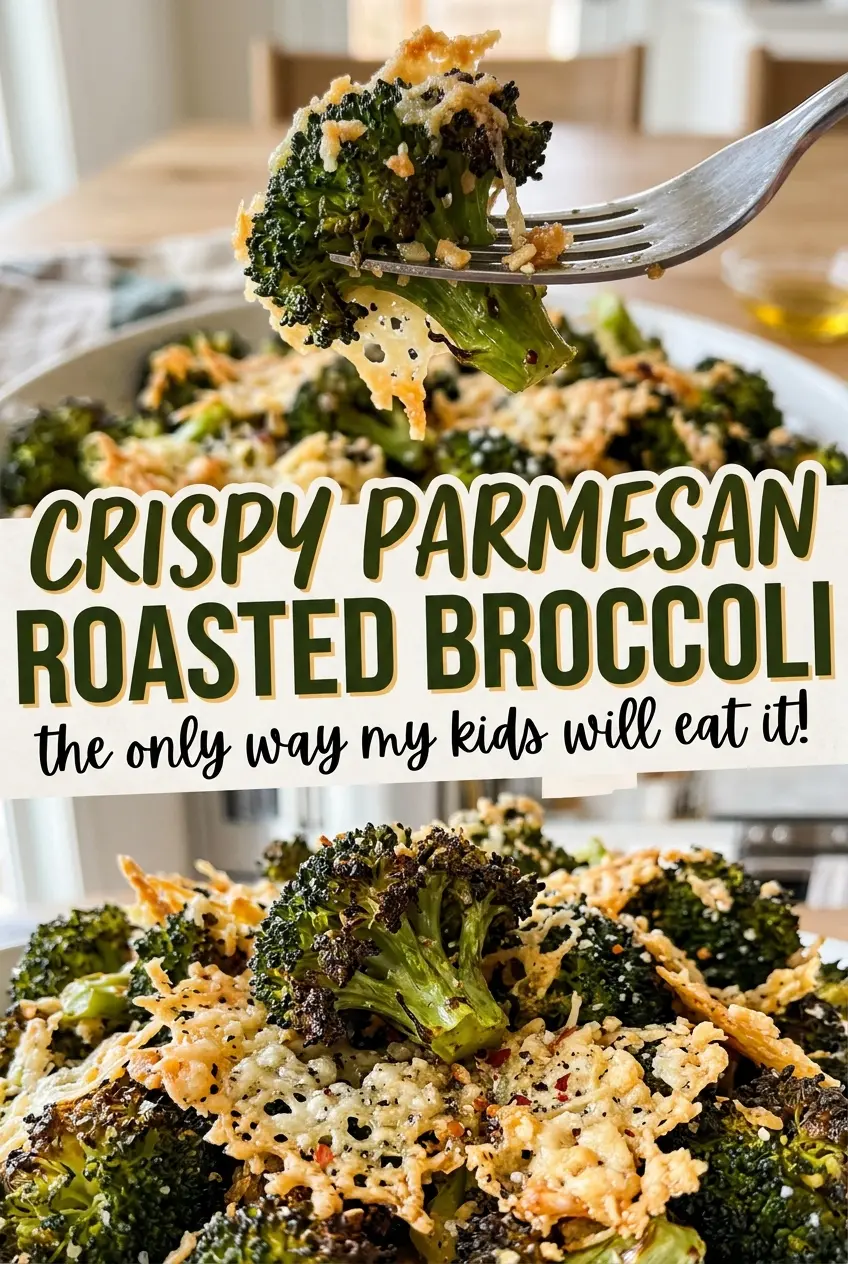
For this batch, I cut the florets into even pieces and let the Parmesan go on near the end, so it melts and turns lightly golden without covering up the roasted broccoli. A few cut sides placed against the pan develop especially satisfying browned spots. Each piece stays simple, with a crisp-edged bite and a savory Parmesan finish.
Kitchen Note
Once the Parmesan is on, leave the florets where they are. Stirring can scrape the melting cheese off the tops, so scatter it evenly and let the oven finish the job.
Save this crispy Parmesan roasted broccoli for a side with browned edges, tender centers, and a lightly golden cheese finish.
Why a Crowded Pan Leaves Broccoli Soft Instead of Crispy
Roasting browns broccoli when hot air can move around the pieces and moisture can escape. If the florets are piled together, the moisture they release gets trapped between them. The result is softer, less browned broccoli, even in a hot oven. Spread the pieces in a single layer on a large rimmed baking sheet, leaving a little breathing room instead of stacking them.
Water clinging to the florets causes the same trouble on a smaller scale. Dry them thoroughly before tossing with oil; a damp surface makes it harder for the edges to brown. Cut pieces to a consistent size, too. When a few florets are much smaller than the rest, their edges can darken before the larger pieces are tender. Arrange some cut sides down to give those flat faces direct contact with the pan, where they can brown.
If the pan looks crowded after you spread everything out, don’t force the pieces into a heap. The broad, single layer is what lets the broccoli roast instead of steam. That open surface is worth protecting from the first toss to the moment the pan goes into the oven.
Why Finely Grated Parmesan Makes the Best Finish Here
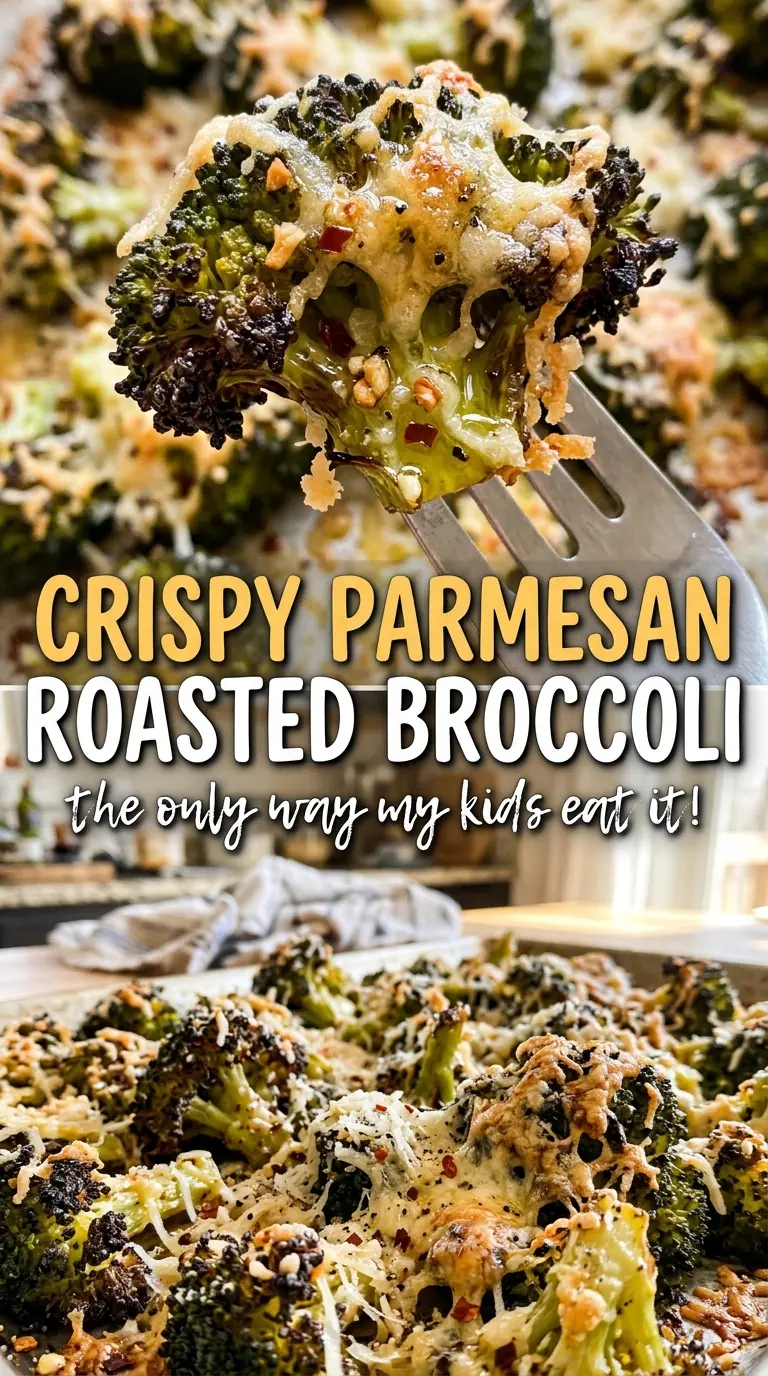
- Broccoli — Choose firm, fresh florets and cut them into pieces about the same size. The recipe depends on thoroughly dried pieces; wet crowns can hold water even when the cut faces look dry. Pre-cut florets work if you trim any oversized pieces to match and dry them well.
- Olive oil — It helps the seasonings cling and carries heat across the floret surfaces. Use an olive oil you like the taste of, but there’s no need to reach for a special bottle here; roasting mellows its sharper notes.
- Parmesan — Finely grated cheese scatters across the broccoli in a thin layer and melts quickly. A large, coarse shaving won’t distribute as evenly. Parmesan from a wedge is easy to grate finely, while packaged finely grated Parmesan is convenient; the important part is the fine texture.
- Garlic powder and black pepper — Both season the oil-coated florets without adding moisture. Garlic powder spreads more evenly than fresh chopped garlic in this high-heat roast, so keep to the powder for the flavor and method in this version.
There isn’t a like-for-like substitute for Parmesan in this ingredient list: another cheese changes the finish, and leaving it off removes the salty, savory crust. The same goes for swapping the broccoli or oil. Those changes can make a good dish, but they won’t produce this particular Parmesan-roasted broccoli.
Roast the Broccoli First, Then Give the Cheese Its Short Turn
Heat the oven and get the florets ready
Preheat the oven to 425°F with a rack in the center. Cut the broccoli into 1 1/2-inch pieces and dry them thoroughly before they meet the oil. The even size helps the florets cook at a similar pace. If water is still visible among the crowns, blot it away before seasoning.
Coat the pieces without crushing them
Put the broccoli in a large bowl with the olive oil, kosher salt, black pepper, and garlic powder. Toss until the seasoning is spread over the florets, turning them gently so the crowns stay intact. The pieces should look lightly coated rather than slick with oil. Use the bowl to distribute the seasoning before the broccoli goes onto the pan.
Roast until the edges brown
Spread the broccoli in one layer on a large rimmed baking sheet, arranging some cut sides down. Roast for 15–18 minutes, until the edges are browned and a fork meets just tender centers. Check the larger pieces with the fork; a browned outside alone doesn’t tell you whether the middle has softened. If the broccoli still feels firm, give it the remaining time in that range.
Let the Parmesan melt and turn golden
Sprinkle the finely grated Parmesan evenly over the roasted florets, then return the pan to the oven for 3–5 minutes. Watch for melted cheese with a light golden color. Pull the pan once you see that finish; the cheese doesn’t need to become dark to taste roasted and savory. The browned broccoli edges and delicate cheese layer make a good contrast in each bite.
Small Ingredient Choices That Change the Prep
Starting with pre-cut florets
Pre-cut broccoli saves trimming time, but the pieces still need to be about 1 1/2 inches across for an even roast. Cut the large ones down and dry every piece thoroughly. You keep the same roasted flavor while skipping some knife work.
Grating Parmesan from a wedge
Grate the cheese finely just before using it if you want a fresh, full Parmesan aroma. Keep the shreds fine so they melt across the broccoli in the short oven finish. Packaged finely grated Parmesan is a practical choice when convenience matters more than grating it yourself.
Storage and Reheating
- Refrigerator: Store leftovers in an airtight container for 3–4 days. The broccoli softens in storage, and the cheese coating won’t stay crisp.
- Freezer: Freezing isn’t a good fit. Thawed broccoli tends to turn soft, and the Parmesan finish loses its texture.
- Reheating: Reheat in a 400°F oven until hot, checking that leftovers reach 165°F. A microwave warms it quickly but makes the florets softer, so avoid it if you want to bring back some crispness.
Questions That Come Up When Roasting Parmesan Broccoli
Crispy Parmesan Roasted Broccoli
Ingredients
Equipment
Method
- Preheat the oven to 425°F and position a rack in the center.
- In a large bowl, toss the broccoli with the olive oil, kosher salt, black pepper, and garlic powder until evenly coated.
- Spread the broccoli in a single layer on a large rimmed baking sheet, arranging some cut sides down, and roast for 15–18 minutes, until browned at the edges and just tender when pierced with a fork.
- Sprinkle the Parmesan evenly over the broccoli and roast for 3–5 minutes more, until the cheese is melted and lightly golden.