
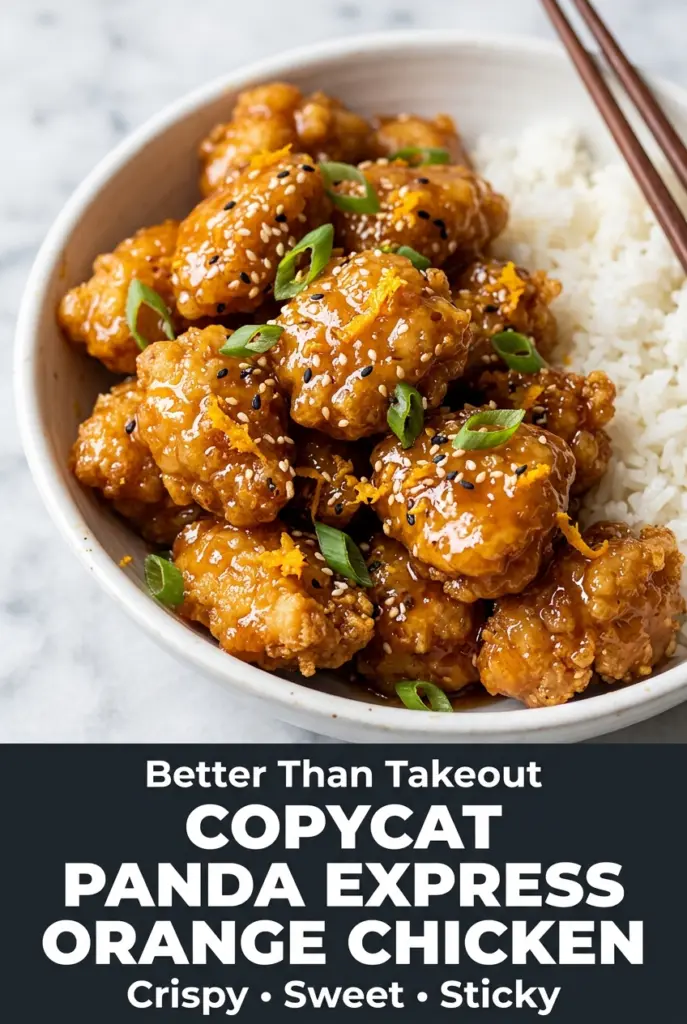
Copycat Panda Express Orange Chicken
Orange chicken only works when two things happen at once: the chicken stays crisp, and the sauce turns glossy without tasting flat or cloying. This version gets both right. The…

By Ava
•
•
Reading time: 10 min
Tip: save now, make later.
Orange chicken only works when two things happen at once: the chicken stays crisp, and the sauce turns glossy without tasting flat or cloying. This version gets both right. The coating fries into a light, craggy shell that holds up long enough for the sauce to cling to every piece, and the glaze hits that sweet-tangy-orange note people expect from takeout without turning sticky in the wrong way.
The details matter here. Chicken thighs stay juicier than breast meat and still handle a hot fry beautifully. Cornstarch in the coating keeps the crust shatteringly crisp, while the sauce builds from fresh garlic, ginger, orange zest, and a cornstarch slurry so it thickens fast instead of reducing into something harsh. The result tastes bold, bright, and a little spicy, with enough texture left in the chicken that it doesn’t go soft the second the sauce goes on.
Below, I’ll walk through the part that matters most: how to fry in batches without dropping the oil temperature, how to thicken the sauce without turning it gummy, and the small tweak that makes the orange flavor taste more like fresh citrus than candy.
The chicken stayed crispy even after tossing it in the sauce, and the orange glaze thickened up exactly right. My husband said it tasted closer to our favorite takeout than any copycat recipe we’ve tried.
Save this copycat orange chicken for the nights when you want that crispy takeout-style coating and bright orange glaze without leaving the house.
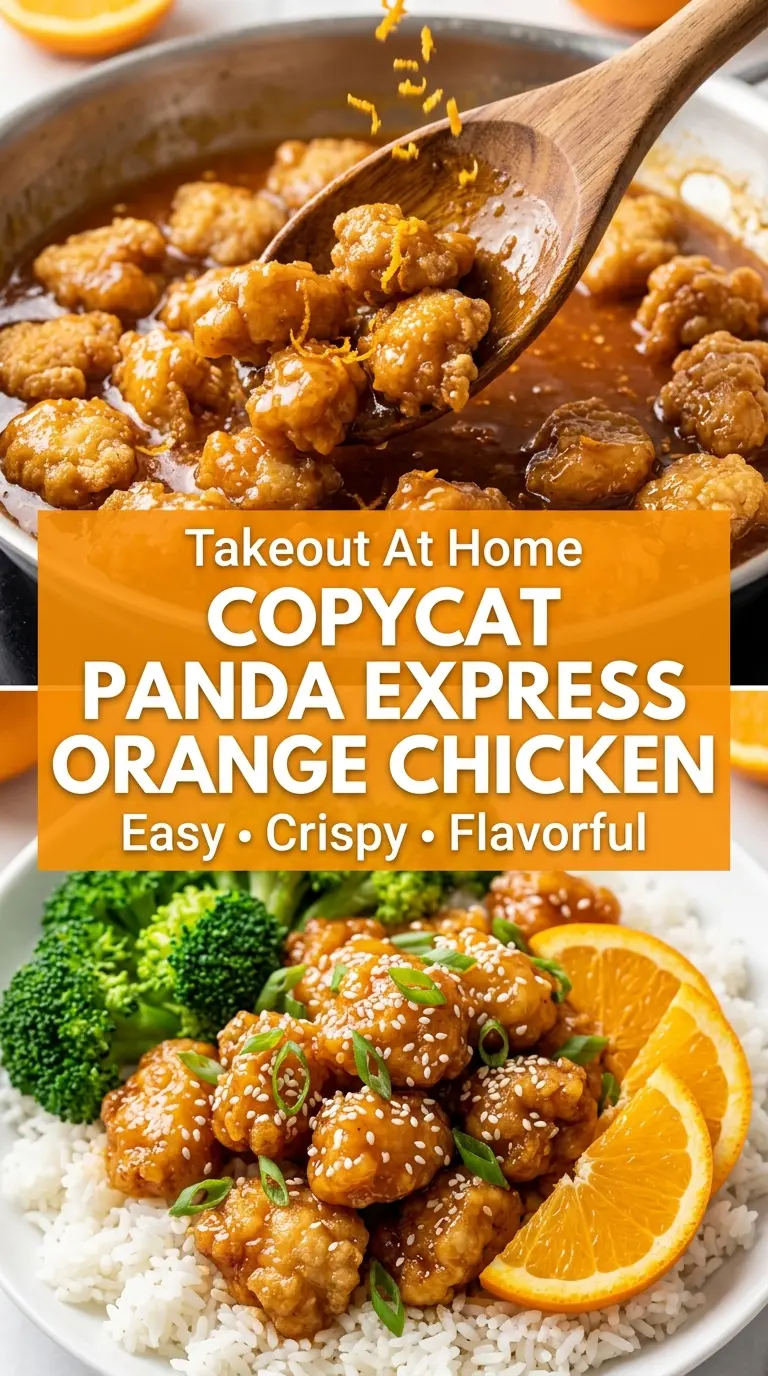
The Crisp-to-Sauce Window Is What Makes or Breaks Orange Chicken
The biggest mistake with orange chicken is letting the fried coating sit too long before it meets the sauce. Once steam starts working on that crust, it softens fast. That’s why this recipe moves from fryer to skillet in a pretty tight rhythm: fry in batches, keep the chicken warm in a single layer, and toss it only after the sauce has thickened and gone glossy.
The sauce matters just as much as the chicken. If it looks thin in the pan, it’s not ready yet. Cornstarch needs a minute or two to activate fully, and if you stop too soon, the glaze slides right off the chicken instead of clinging. You want a sauce that coats the back of a spoon and leaves a clear trail for a second before it settles.
- Chicken thighs — Thighs stay tender after frying and hold up better once they’re tossed in sauce. Breast meat works in a pinch, but it dries faster and loses some of that takeout-style juiciness.
- Cornstarch and flour — The cornstarch brings the crunch; the flour keeps the coating from feeling brittle or dusty. If you only use flour, the crust turns heavier and doesn’t get that light crackle.
- Orange zest — This is what gives the sauce its real orange character. Juice alone tastes flat; zest adds the oil and brightness that make the glaze taste fresh instead of sugary.
- Rice vinegar — It sharpens the sweetness and keeps the sauce from tasting one-note. If you need a substitute, apple cider vinegar works, but use a little less because it reads sharper.
The Frying and Glazing Order That Keeps the Chicken Crisp
Coating the Chicken
Start by whisking the cornstarch, flour, salt, and pepper together so the seasoning is spread evenly. Dip each piece in egg first, then press it into the dry mixture until the surface looks fully coated and a little shaggy. That uneven texture is what fries into crisp edges. If the coating looks wet or pasty, it’s carrying too much egg; shake off the excess before it hits the flour mixture.
Frying in Batches
Heat the oil to 350°F and keep an eye on it between batches. If the temperature drops too far, the chicken will soak up oil and come out heavy instead of crisp. Fry until the pieces are deep golden and sound audibly crisp when you tap them with a utensil, then move them to a paper towel-lined plate. Crowding the pan is the fastest way to ruin the texture, so give each batch room.
Building the Sauce
Sauté the garlic and ginger just until fragrant, about 30 seconds. If they brown, the sauce picks up a bitter edge that doesn’t belong here. Add the orange juice, zest, soy sauce, brown sugar, vinegar, sesame oil, and pepper flakes, then bring it to a gentle simmer. Whisk in the cornstarch slurry and keep stirring until the sauce turns shiny and thick enough to coat the spoon.
Tossing Without Softening the Crust
Add the fried chicken to the skillet only after the sauce has finished thickening. Toss quickly and lift the pieces through the glaze rather than stirring hard, which can knock off the crust. The goal is a thin, even coating that clings to the chicken right away. Serve it immediately, because this dish is at its best in the first few minutes after mixing.
Three Ways to Adjust This Orange Chicken Without Losing What Makes It Work
Make It Gluten-Free
Swap the all-purpose flour for a gluten-free all-purpose blend and use tamari or a certified gluten-free soy sauce. The crust still fries up crisp because the cornstarch is doing most of the heavy lifting. Check that your rice vinegar and sesame oil are labeled gluten-free if you’re cooking for someone sensitive.
Make It Less Sweet and More Tangy
Cut the brown sugar back by 2 tablespoons and add a little extra zest or a splash more rice vinegar. You’ll lose some of the takeout-style candy note, but the orange flavor comes forward and the glaze tastes cleaner. This version works especially well if you’re serving it with plain rice and vegetables.
Make It Lighter in the Pan
Bake the coated chicken on a well-oiled sheet pan at 425°F instead of frying, then toss it with the sauce as soon as it comes out of the oven. You won’t get the same blistered crust, but you still get a crisp edge and a much lighter finish. This is the best swap when you want the flavor without a big pot of oil.
Storage and Reheating
- Refrigerator: Store leftovers in an airtight container for up to 3 days. The chicken will soften a bit as it sits, which is normal once it’s coated in sauce.
- Freezer: It freezes, but the coating won’t stay crisp after thawing. Freeze in a single layer first, then transfer to a container if you want the easiest reheat later.
- Reheating: Reheat in a 375°F oven or air fryer until hot and the edges perk back up. Skip the microwave if you want any crunch left, because it steams the coating and makes the sauce loose.
Questions I Get Asked About This Recipe
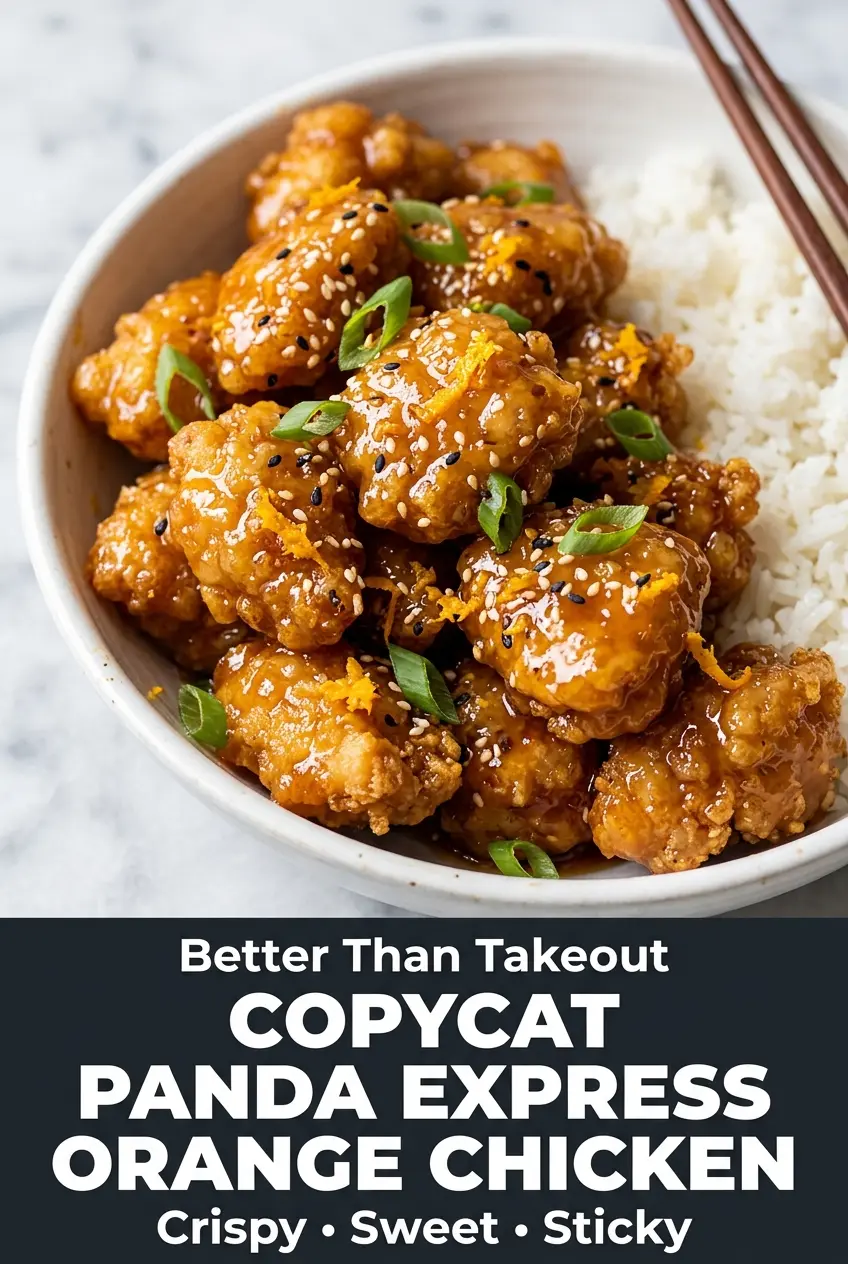
Copycat Panda Express Orange Chicken
Ingredients
Equipment
Method
- Heat 2–3 inches of vegetable oil in a deep skillet or Dutch oven to 350°F, so it’s ready for quick, even frying. Keep the oil at a steady temperature for consistent crisping.
- Whisk together the cornstarch, all-purpose flour, salt, and black pepper in a shallow bowl. This creates a dry coating that will cling after the egg step.
- Dip each chicken piece into the beaten eggs, then coat thoroughly in the flour mixture. Press lightly so the coating fully adheres to every side.
- Fry the chicken in batches for 4–5 minutes until golden brown, crispy, and cooked to an internal temperature of 165°F. Transfer to a paper towel-lined plate and repeat with remaining chicken.
- Heat 1 tablespoon vegetable oil in a large skillet over medium heat. Allow it to warm until it shimmers before adding aromatics.
- Sauté the garlic and ginger for about 30 seconds until fragrant. Stir to prevent browning while keeping the aroma fresh.
- Stir in the orange juice, orange zest, soy sauce, brown sugar, rice vinegar, sesame oil, and crushed red pepper flakes, then bring to a gentle simmer for 2–3 minutes. Keep it bubbling lightly so the flavors meld.
- Whisk together the cornstarch and water, then pour the slurry into the sauce. Cook for 1–2 minutes, stirring constantly, until the sauce becomes glossy and thick.
- Add the crispy chicken to the skillet and toss until every piece is evenly coated in the orange sauce. Work quickly so the coating stays crisp.
- Garnish with sliced green onions and sesame seeds, then serve immediately over steamed rice or with stir-fried vegetables. The contrast of crunchy chicken and glossy glaze is best right away.