
Classic Gingerbread Loaf with Cream Cheese Frosting
The batter goes into the loaf pan dark and glossy, and the molasses scent is warm before the oven door closes. I like this classic gingerbread loaf because the crumb…

By Ava
•
•
Reading time: 9 min
Tip: save now, make later.
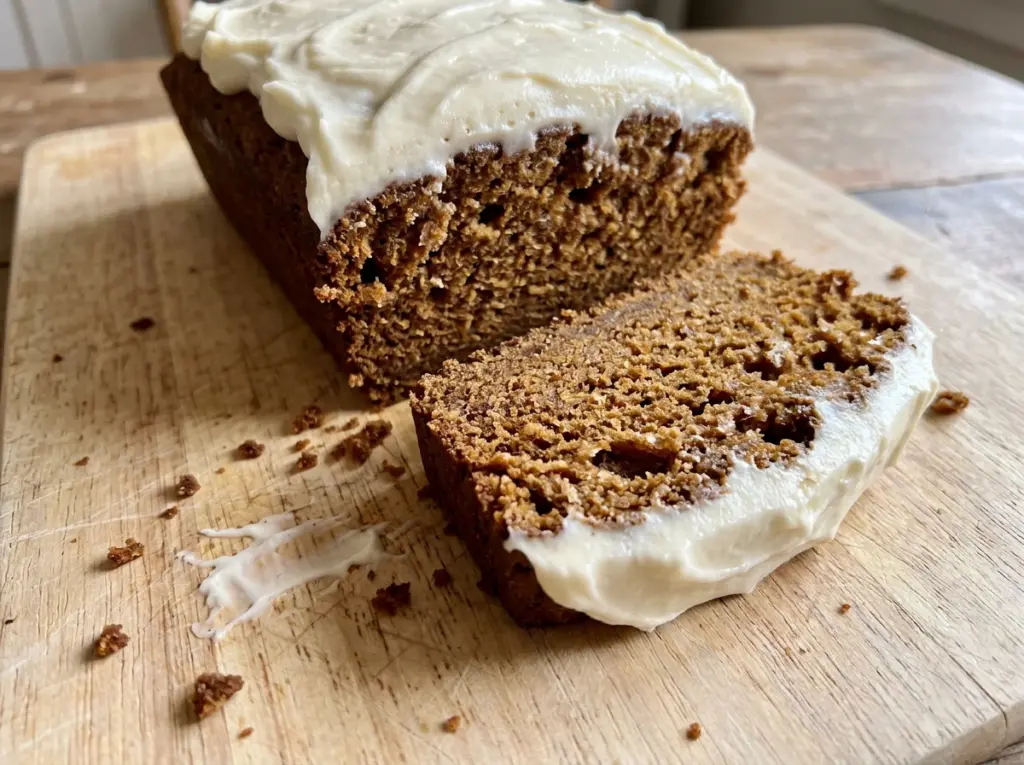
The batter goes into the loaf pan dark and glossy, and the molasses scent is warm before the oven door closes. I like this classic gingerbread loaf because the crumb stays tender under a soft layer of cream cheese frosting, while ginger, cinnamon, and cloves give it that unmistakable spiced taste. It’s the kind of loaf that feels special without asking you to decorate or fuss over it.
Molasses brings more than sweetness here: it gives the loaf its deep color and a moist, close crumb. I use unsulphured molasses so its mellow character doesn’t overpower the spices. A quick, careful mix matters, too. Once the flour goes in, alternating it with the milk helps the batter come together without overworking it, and the finished loaf slices neatly after it cools.
Kitchen Note
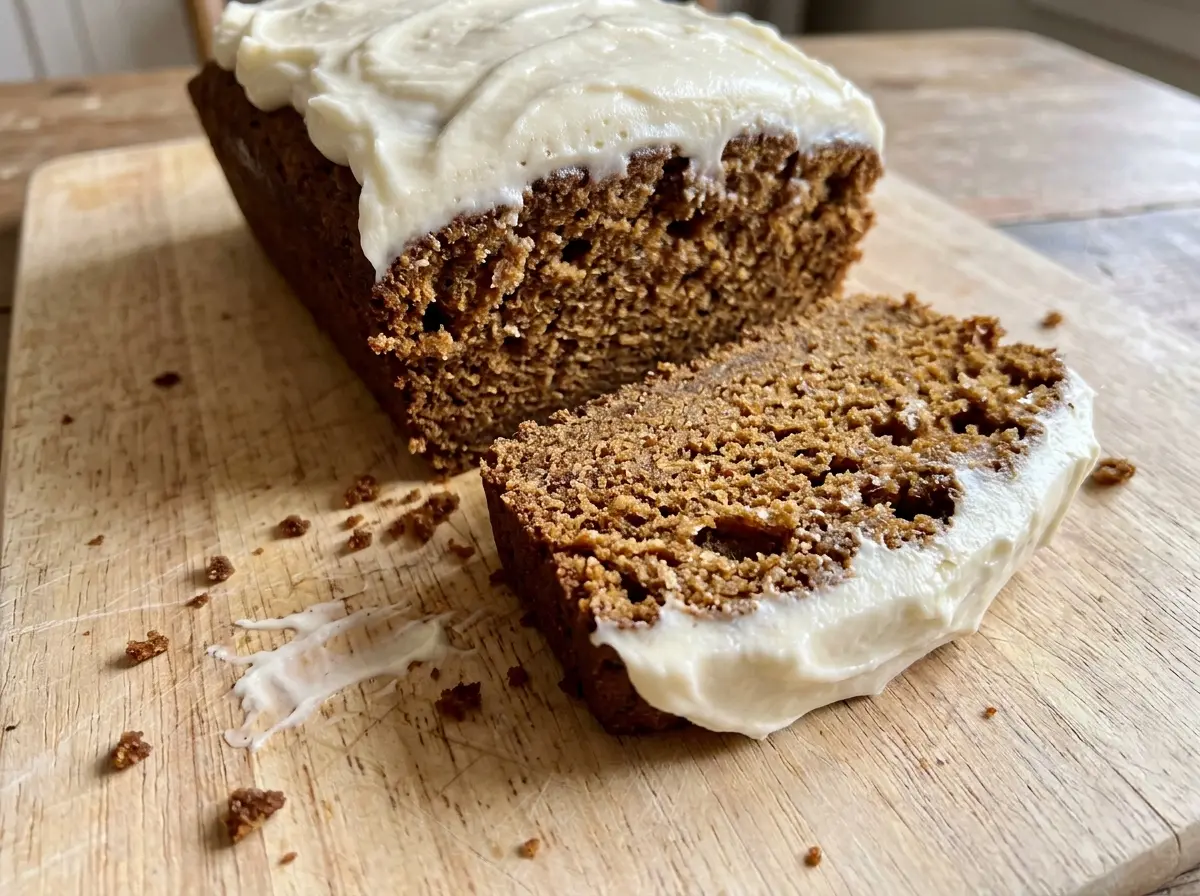
I wait until the loaf is completely cool before frosting it; even a little warmth softens the cream cheese topping and can make it slide. The 15-minute rest in the pan is only the first part of cooling, not the signal to frost.
Save this classic gingerbread loaf with cream cheese frosting for a tender, molasses-rich slice with a smooth tangy topping.
Why Alternating Flour and Milk Keeps This Gingerbread Loaf Tender
Quick breads can turn dense when the batter is mixed hard after the flour is added. Here, the flour mixture goes in across three additions, with the milk in between, so each addition can blend in before the next one arrives. Starting and ending with flour also keeps the batter from becoming too loose as you mix. It’s a small sequence, but it gives you a better chance of stopping as soon as the ingredients are combined.
That matters especially in a gingerbread loaf. Molasses makes the batter thick, and the flour can disappear into it before you realize you’ve kept mixing. A few small streaks of flour are a better cue to stop than a perfectly smooth, vigorously beaten batter; the last streaks disappear as you spread the mixture in the pan. The result should bake up with a close, soft crumb rather than a chewy one. Keep the mixer at a moderate pace for the additions and avoid trying to beat every lump out of the finished batter.
What Molasses and the Spice Blend Bring to This Loaf
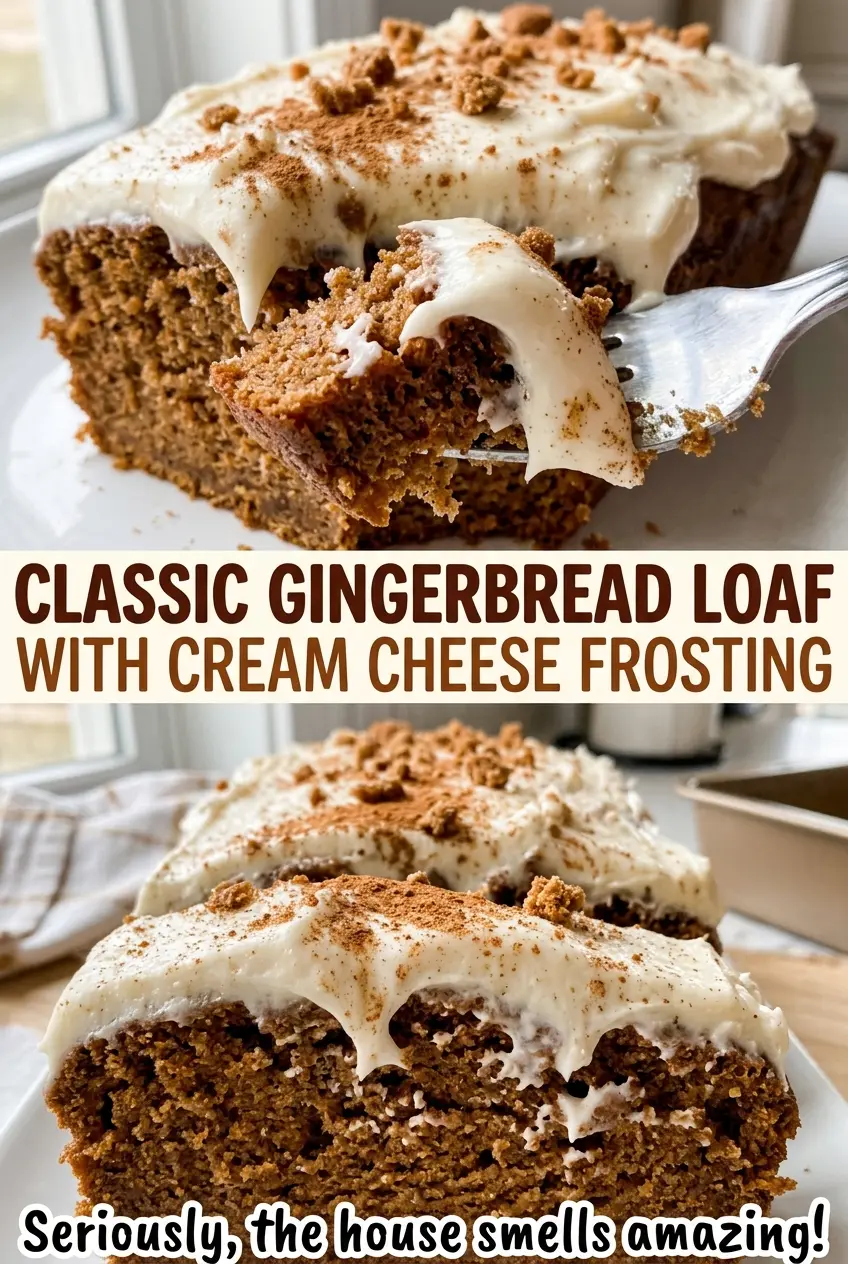
- Unsulphured molasses — It gives gingerbread its dark color, moisture, and rounded sweetness. Choose unsulphured molasses for this balanced flavor; blackstrap is more bitter and assertive, so it can take over the loaf.
- Ground ginger, cinnamon, and cloves — Ginger leads, cinnamon fills out the warmth, and cloves add a concentrated background note. Fresh, fragrant spices make a noticeable difference; if the jars smell faint when you open them, the loaf’s spice aroma will be muted.
- All-purpose flour and baking soda — All-purpose flour gives the loaf enough structure to hold its shape, while baking soda helps it rise. Spoon flour into the measuring cup and level it rather than packing it down, which can leave you with a heavier loaf.
- Butter and light brown sugar — Softened butter can trap air as it’s beaten with the sugar, helping build a lighter base. Light brown sugar adds moisture and a gentle caramel note; packed sugar measures consistently.
- Room-temperature egg and whole milk — These blend more smoothly into the creamed butter than cold ingredients and help the batter come together evenly. Whole milk contributes richness, so a lower-fat milk may make the crumb less full.
- Cream cheese, butter, powdered sugar, and vanilla — Softened cream cheese and butter beat into a smooth, tangy frosting, while powdered sugar thickens it and vanilla rounds out the flavor. Use cream cheese from a block rather than a spreadable tub for a frosting that holds its shape better.
From Dark Batter to a Neat Frosted Slice
Whisk the dry ingredients evenly
Heat the oven to 350°F and grease a 9×5-inch loaf pan. Whisk the flour, baking soda, ground ginger, cinnamon, cloves, and kosher salt in a medium bowl until the spices are distributed through the flour. Break up any visible clumps of baking soda as you whisk. This gives the loaf a more even rise and keeps one bite from tasting sharply of a spice pocket.
Cream the butter, sugar, egg, and molasses
Beat the softened butter and packed light brown sugar in a large bowl until light and fluffy, about 2 minutes. The mixture should look lighter and hold soft ridges rather than sitting as a dense paste. Beat in the room-temperature egg and molasses until smooth. If the mixture looks a little streaky at first, keep mixing until the molasses is incorporated before moving on.
Build the batter without overmixing
Add the flour mixture in three additions, alternating with the milk in two additions; begin and end with flour. Mix just until combined after each addition, scraping the bowl if flour is clinging to the sides. The batter will be thick, not pourable, and that’s expected. Once no dry pockets remain, stop mixing instead of trying to make it completely silky.
Bake, then cool the loaf fully
Spread the batter in the prepared pan and bake for 50 to 60 minutes. Insert a toothpick into the center; it should come out with a few moist crumbs, not wet batter. Let the loaf cool in the pan for 15 minutes, then turn it out onto a wire rack. Wait until it’s completely cool before you add the frosting.
Beat and spread the cream cheese frosting
In a medium bowl, beat the softened cream cheese and butter until smooth. Add the powdered sugar and vanilla, then beat until creamy with no visible streaks of cream cheese. Spread the frosting over the completely cooled loaf. Use a gentle hand so the soft topping stays in an even layer instead of pulling at the surface.
Two Easy Ways to Adapt This Gingerbread Loaf
Keep it unfrosted
Leave off the cream cheese frosting and serve the loaf plain. The molasses and spices come through more directly, and the crumb feels less rich; this is a useful choice if you want a simple slice with coffee or tea.
Make it gluten-free
Replace the all-purpose flour with a cup-for-cup gluten-free baking flour blend that contains xanthan gum. The loaf may have a slightly more delicate crumb, so let it cool fully before turning it out and frosting it.
Storage and Reheating
- Refrigerator: Cover the frosted loaf and refrigerate it within 2 hours. It keeps for 3 to 4 days; the crumb firms up when cold, so let slices lose their chill before serving.
- Freezer: Freeze the unfrosted, completely cooled loaf wrapped tightly for up to 2 months. Thaw it in the refrigerator, then frost it once it’s fully thawed.
- Reheating: This loaf doesn’t need reheating. Avoid microwaving frosted slices, since the cream cheese topping will soften and melt.
Questions That Come Up With Gingerbread Loaf
Classic Gingerbread Loaf with Cream Cheese Frosting
Ingredients
Equipment
Method
- Heat the oven to 350°F and grease a 9x5-inch loaf pan.
- Whisk the all-purpose flour, baking soda, ground ginger, ground cinnamon, ground cloves, and kosher salt in a medium bowl.
- Beat the softened unsalted butter and packed light brown sugar in a large bowl until light and fluffy, about 2 minutes, then beat in the large egg and unsulphured molasses until smooth.
- Add the flour mixture in three additions, alternating with the whole milk in two additions and beginning and ending with the flour; mix just until combined.
- Spread the batter in the prepared pan and bake for 50 to 60 minutes, until a toothpick inserted in the center comes out with a few moist crumbs.
- Cool the loaf in the pan for 15 minutes, then turn it out onto a wire rack and cool completely.
- Beat the softened cream cheese and softened unsalted butter in a medium bowl until smooth, then beat in the powdered sugar and vanilla extract until creamy.
- Spread the frosting over the completely cooled loaf.