
Classic Baklava
The phyllo sheets start drying out almost as soon as they leave the package, and a torn corner can make a pan of baklava feel harder than it needs to…

By Ava
•
•
Reading time: 10 min
Tip: save now, make later.
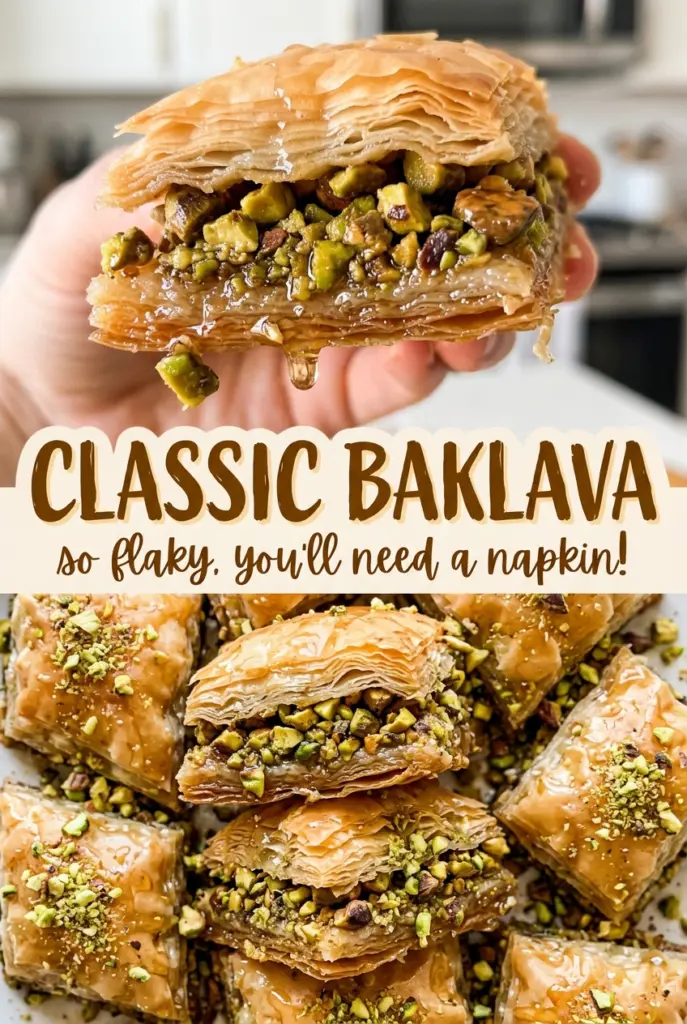
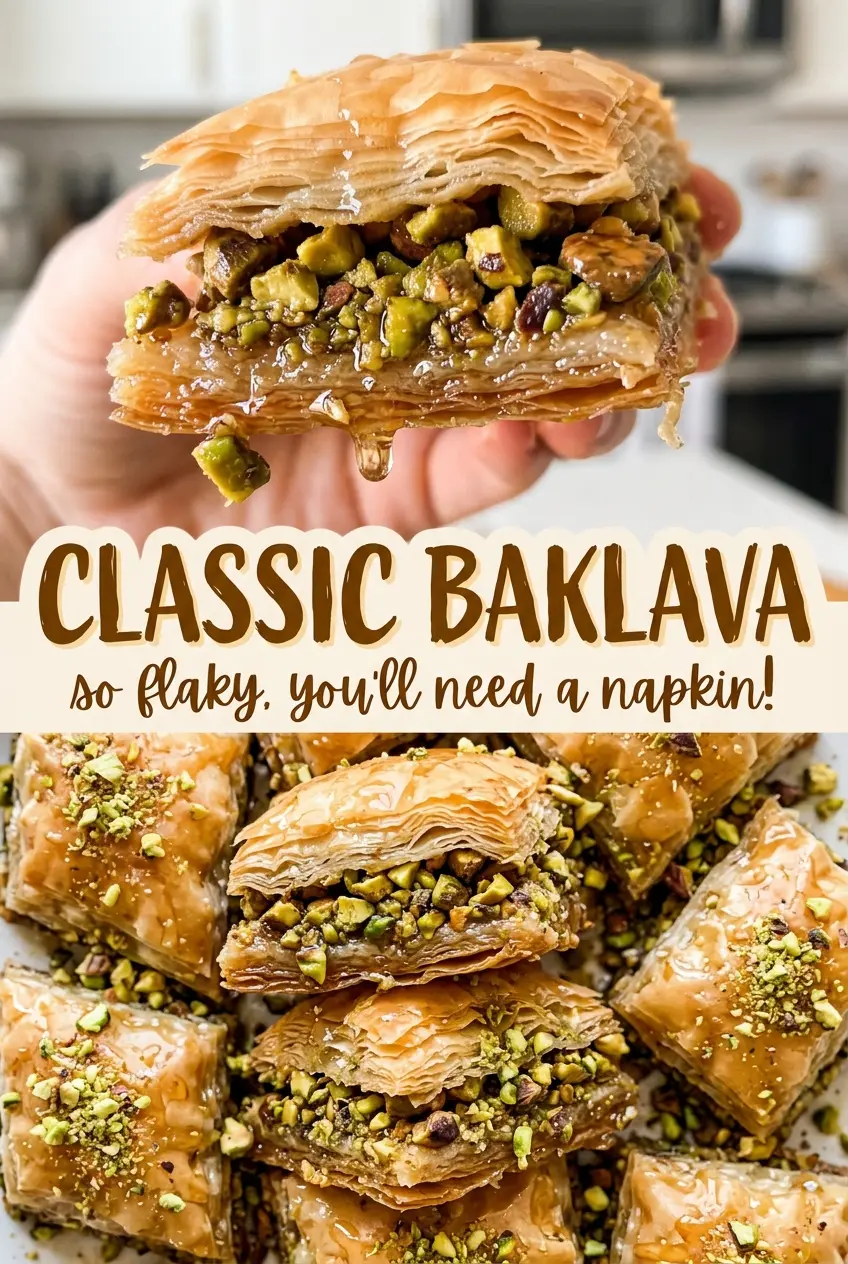
The phyllo sheets start drying out almost as soon as they leave the package, and a torn corner can make a pan of baklava feel harder than it needs to be. I keep a barely damp towel over the sheets while I work, then brush each layer lightly with melted butter. That small bit of care gives these classic baklava diamonds their delicate, crisp layers without turning the assembly into a race.
The syrup goes on after baking, while the pastry is still hot, but it needs to be completely cool first. That contrast gives the syrup time to soak into the layers without leaving the top limp. I cut the baklava before it goes into the oven, when the phyllo is still easy to slice, and let the finished pan sit uncovered at room temperature until the layers have taken up the honey-lemon syrup. The result is a crisp, buttery top over a walnut filling scented with cinnamon.
Kitchen Note
A towel that’s too wet can make the phyllo cling to itself and tear when you lift a sheet. Wring it out until it feels barely damp, then keep the stack covered between layers.
Save this classic baklava for its crisp phyllo layers, cinnamon walnuts, and honey-lemon syrup poured over the pan while it’s hot.
Why the Syrup Goes on Cold, Not Hot
Baklava can look perfect when it comes out of the oven and still turn soggy if the syrup is handled the wrong way. The useful contrast here is hot pastry and completely cooled syrup. Pouring cool syrup over the hot, crisp layers gives it a chance to travel through the pastry and walnut filling while the top keeps its texture. Warm syrup on hot baklava tends to weigh down those delicate sheets before they have a chance to stay crisp.
That timing means the syrup needs to be made first, not while the baklava bakes. After it simmers, take the pan off the heat and let the syrup cool completely. Don’t rush that part by pouring it on warm; the pan is already hot enough to do the soaking. Once the syrup is evenly poured over the baked baklava, leave the pan uncovered at room temperature for at least 4 hours. Cutting into it sooner can leave the center less settled and make the diamonds harder to lift cleanly.
The syrup shouldn’t be boiled down until it turns thick or sticky in the saucepan. A 10-minute simmer after the sugar dissolves gives it time to come together, and the finished texture develops as it soaks into the pastry. That balance is what keeps the top crisp while the layers underneath turn tender and honeyed.
What Walnuts, Honey, and Phyllo Each Bring to Baklava
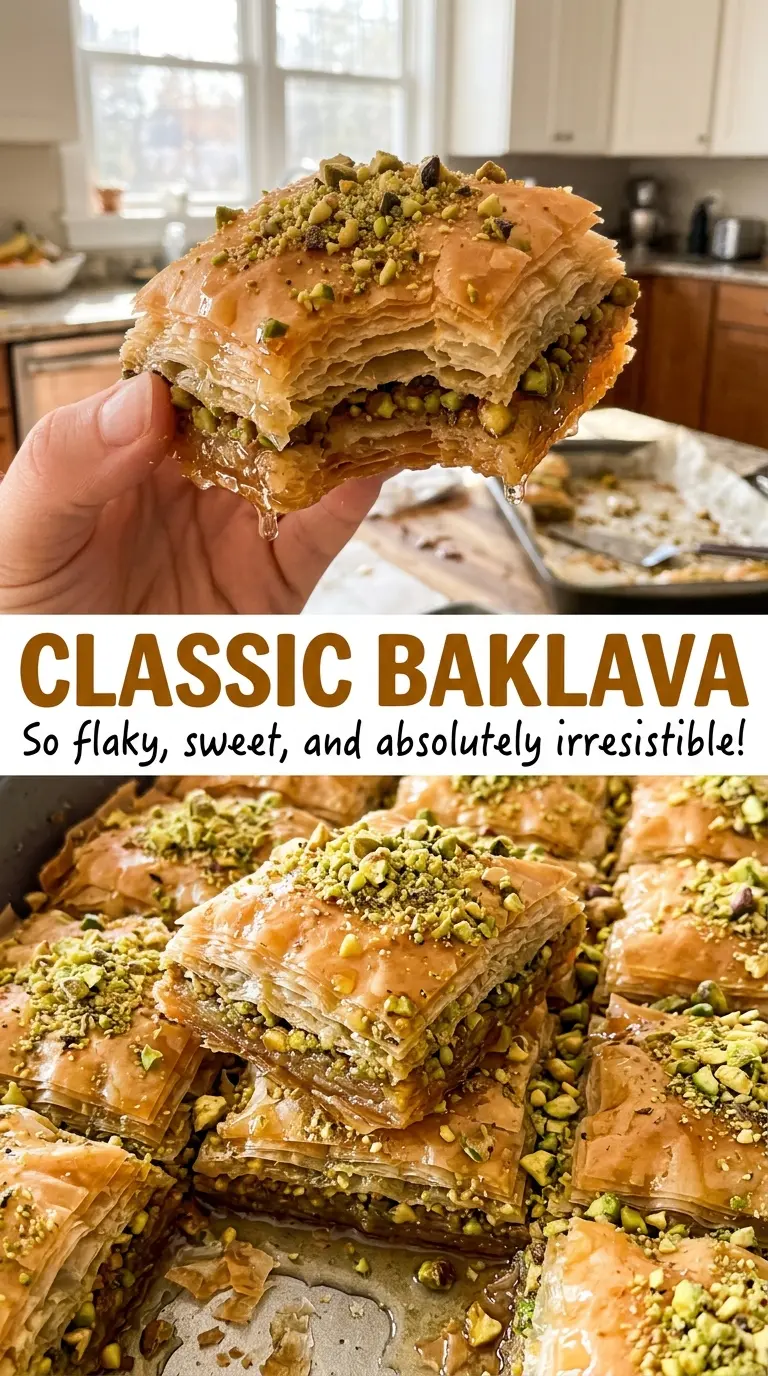
- Walnuts — Finely chopped walnuts make a close, even filling that sits neatly between the pastry layers. Fresh walnuts matter more than an expensive brand; old nuts can taste stale or bitter, and that flavor is hard to hide. Pistachios or pecans work in the same amount if you want a different nut character, though each changes the classic walnut taste.
- Honey — Honey gives the syrup a rounded sweetness and a floral note that plain sugar doesn’t quite reproduce. A mild everyday honey works well here; a strongly flavored variety will be more noticeable in the finished baklava. There’s no exact one-ingredient swap that keeps the same syrup character, so keep the honey if you want the familiar finish.
- Fresh lemon juice — Lemon brightens the syrup and keeps its sweetness from tasting flat. Fresh juice is worth using because it has a cleaner, livelier flavor than bottled juice. Don’t leave it out: the syrup needs that small sharp note to balance the honey.
- Phyllo dough — Frozen phyllo is the thin, crisp structure that makes baklava distinct; puff pastry or pie dough won’t create the same delicate layers. Thaw it according to the package directions before opening it, since brittle, partly frozen sheets are difficult to separate without cracking. The sheets don’t need to look pristine: small tears disappear among the layers.
- Unsalted butter — Butter separates and crisps the phyllo layers while adding a rich flavor. Melt it before assembly so you can brush a thin coat across each sheet. Unsalted butter lets the salt in the walnut filling stay in balance; for a dairy-free pan, a plant-based butter made for baking is a workable replacement, though the flavor will be less buttery.
- Cinnamon and kosher salt — Cinnamon gives the walnuts their warm, familiar aroma, while a little salt keeps the filling from tasting one-note. Fresh, fragrant cinnamon is a worthwhile choice, but there’s no need for a specialty grind. Stir both through the chopped walnuts so the seasoning is spread through the filling rather than concentrated in a few bites.
Layering and Baking Baklava Without Losing the Crisp Sheets
Start with Syrup That Has Time to Cool
Combine the sugar, water, honey, and lemon juice in a medium saucepan and bring the mixture to a boil over medium heat, stirring until the sugar dissolves. Reduce the heat and simmer for 10 minutes, then remove the pan from the burner. Set the syrup aside until it has cooled completely before you assemble the finished dessert. This gives the syrup time to cool while you prepare the layers.
Set Up the Pan and Walnut Filling
Heat the oven to 350°F and brush the bottom and sides of a 9×13-inch baking dish with some of the melted butter. Stir the finely chopped walnuts with the cinnamon and kosher salt in a medium bowl, breaking up any clumps so the seasoning is evenly distributed. Unroll the thawed phyllo and keep it covered with a barely damp kitchen towel as you work. If a sheet tears, use it anyway; a tear won’t show once the layers are stacked.
Build the Buttered Layers and Cut the Diamonds
Layer half the phyllo sheets in the buttered dish, brushing each sheet lightly with melted butter. Spread the walnut mixture evenly across the surface so the filling reaches the corners. Add the remaining sheets one at a time, brushing each lightly and giving the top sheet a more generous coat of butter. Use a sharp knife to cut 24 pieces, making diagonal cuts to form diamonds before baking; the raw layers are easier to cut than crisp baked phyllo.
Bake Until Deeply Golden, Then Pour
Bake for 45–55 minutes, until the top is deeply golden brown and the pastry looks crisp rather than pale or soft. If the center still looks light, give it more time within that baking window instead of relying on the edges alone. Pour the completely cooled syrup evenly over the hot baklava, covering the surface so it can seep through the cuts. Leave the pan uncovered at room temperature for at least 4 hours before serving.
Three Easy Ways to Adapt Classic Baklava
Trade the walnuts for pistachios
Use the same volume of finely chopped pistachios in place of the walnuts. The filling will taste sweeter and more delicate, with a green color that shows between the layers; keep the cinnamon and salt in the mix.
Make a pecan version
Finely chopped pecans can replace the walnuts in the same amount. They bring a sweeter, softer nuttiness, so the finished filling tastes less earthy than the classic version while keeping the same layered format.
Make it dairy-free with plant-based butter
Replace the melted butter with an equal amount of plant-based butter suitable for baking, then brush the sheets in the same way. The phyllo will still layer and crisp, but the finished pastry will have a lighter, less distinctly buttery taste.
Storage and Reheating
- Refrigerator: Baklava doesn’t need refrigeration for short-term storage. If your kitchen is warm or you need to keep it longer, seal it in an airtight container and refrigerate for up to 1 week; the pastry may lose some crispness.
- Freezer: Freeze pieces in an airtight container with parchment between layers for up to 2 months. Thaw them in the refrigerator, then let them come to room temperature before serving.
- Reheating: Serve at room temperature; reheating isn’t necessary. Avoid the microwave, which softens the crisp phyllo.
Questions That Come Up When Making Baklava
Classic Baklava
Ingredients
Equipment
Method
- Combine the sugar, water, honey, and lemon juice in a medium saucepan; bring to a boil over medium heat, stirring until the sugar dissolves.
- Reduce the heat and simmer for 10 minutes.
- Remove from the heat and cool the syrup completely.
- Stir together the walnuts, cinnamon, and salt in a medium bowl.
- Heat the oven to 350°F.
- Brush the bottom and sides of a 9x13-inch baking dish with some of the melted butter.
- Unroll the phyllo and keep it covered with a barely damp kitchen towel as you work.
- Layer half the sheets in the dish, brushing each sheet lightly with butter.
- Spread the walnut mixture evenly over the phyllo.
- Layer the remaining phyllo over the filling, brushing each sheet lightly with the remaining butter and brushing the top sheet generously.
- With a sharp knife, cut the baklava into 24 pieces, making diagonal cuts to form diamonds.
- Bake for 45–55 minutes, until deeply golden brown and crisp.
- Pour the cooled syrup evenly over the hot baklava.
- Leave it uncovered at room temperature for at least 4 hours before serving.