
Caramel Apple Cupcakes
As these cupcakes bake, the cinnamon rises first, followed by the sweet smell of brown sugar. The apple pieces soften inside the cake, so each bite has a little tender…

By Ava
•
•
Reading time: 9 min
Tip: save now, make later.
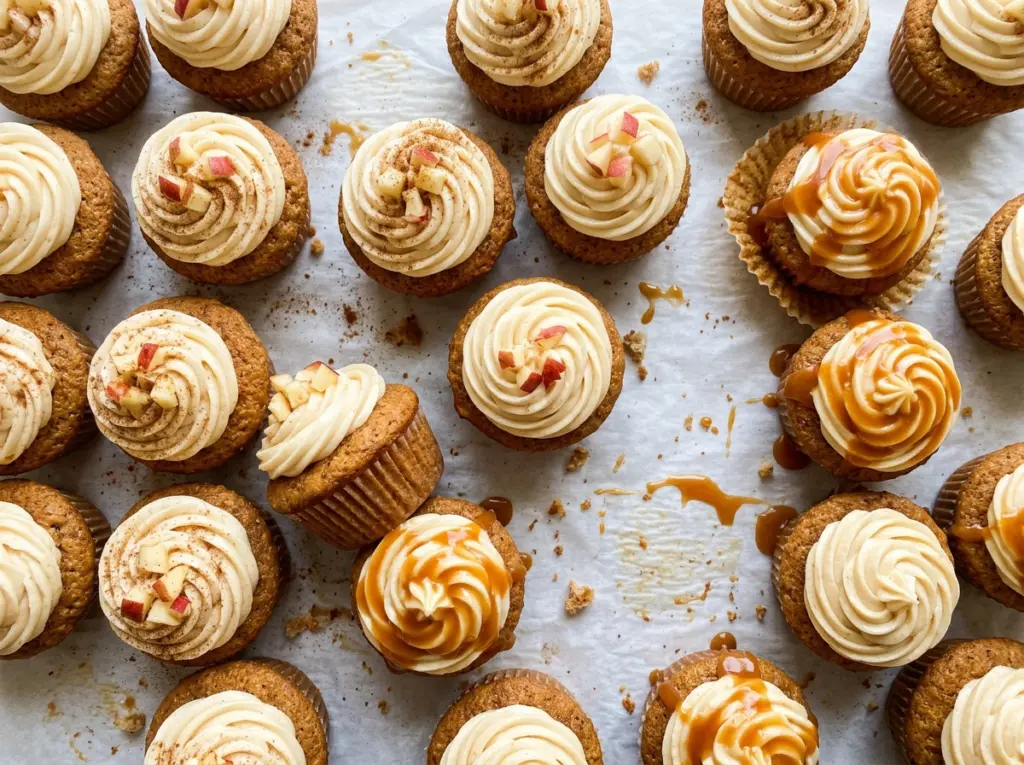
As these cupcakes bake, the cinnamon rises first, followed by the sweet smell of brown sugar. The apple pieces soften inside the cake, so each bite has a little tender fruit instead of a plain spice-cake crumb. I make these Caramel Apple Cupcakes with tart Granny Smith apples, which keep the sweetness of the caramel frosting from taking over.
The batter comes together with oil, brown sugar, and sour cream, so it stays moist without needing a complicated mixing method. I fold the flour in just until the dry streaks disappear, then fold in the finely diced apple. That gentle finish keeps the crumb tender and helps the apples stay distributed through every cupcake.
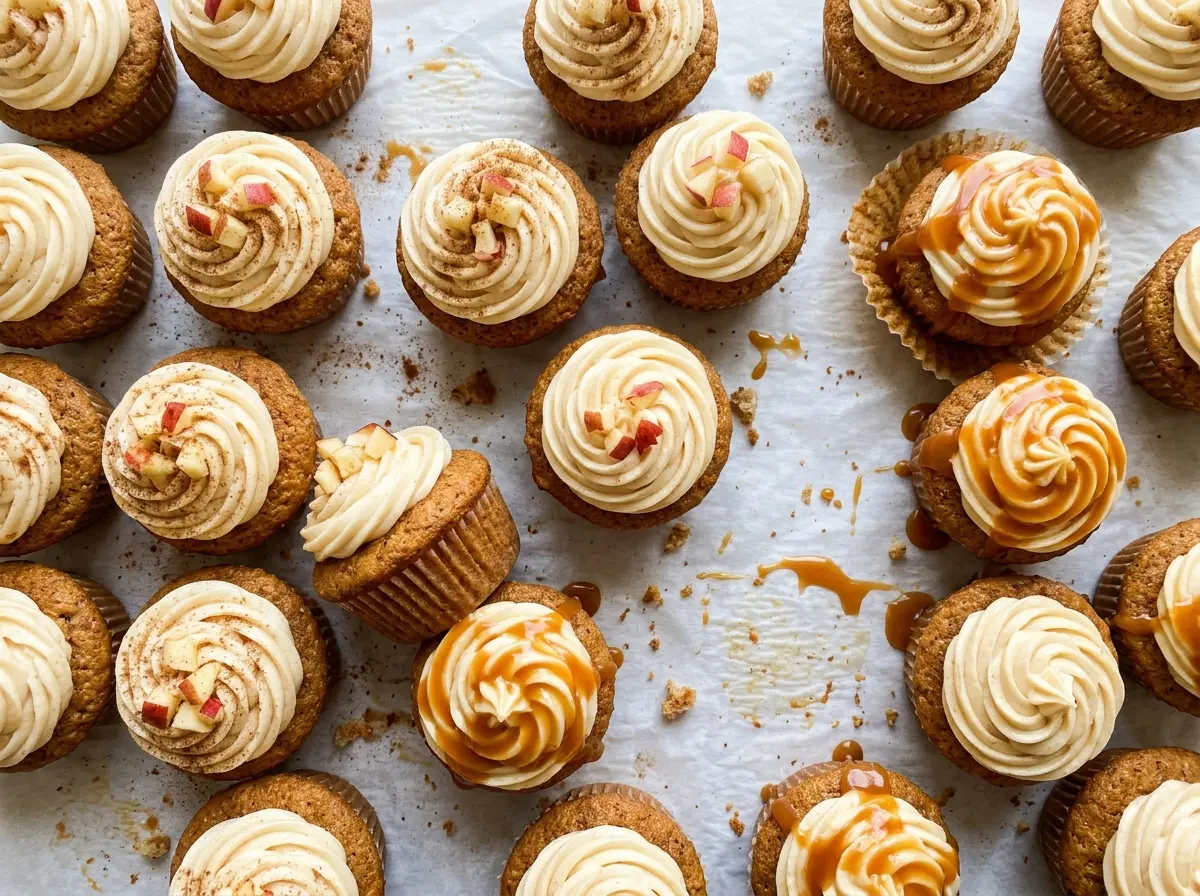
Once the cupcakes are completely cool, the frosting spreads easily and the warm caramel makes a glossy drizzle across the top. You get soft cinnamon cake, small bites of tart apple, and caramel in every forkful.
Kitchen Note
Warm the reserved caramel in a short 5–10 second burst, just until it loosens enough to drizzle. Thick caramel can go from easy to pour to too hot quickly, so keep the warming brief.
Save these Caramel Apple Cupcakes for tender cinnamon cake, tart apple pieces, and a smooth caramel finish.
Why Finely Diced Apples Make Better Cupcakes
Apple size makes a bigger difference here than it might in a loaf cake. The batter is soft, and finely diced Granny Smith pieces tuck into it without creating large, wet pockets. Bigger chunks can leave uneven spaces in the crumb and make it harder to tell whether the cake itself has finished baking.
The tartness matters, too. Brown sugar and caramel both lean sweet, while Granny Smith apples bring a sharp, fresh bite that keeps the frosting from tasting heavy. Since the apples are folded in at the end, cut them evenly before they go into the bowl; pieces that are close in size soften at roughly the same rate.
When you check for doneness, aim the toothpick into cake rather than an apple piece. A toothpick through fruit can look wet even when the surrounding cake is ready, so test a second spot if the first one lands on apple. A few moist crumbs on the toothpick are the cue to take the pan out.
What Each Ingredient Brings to the Apple-and-Caramel Balance
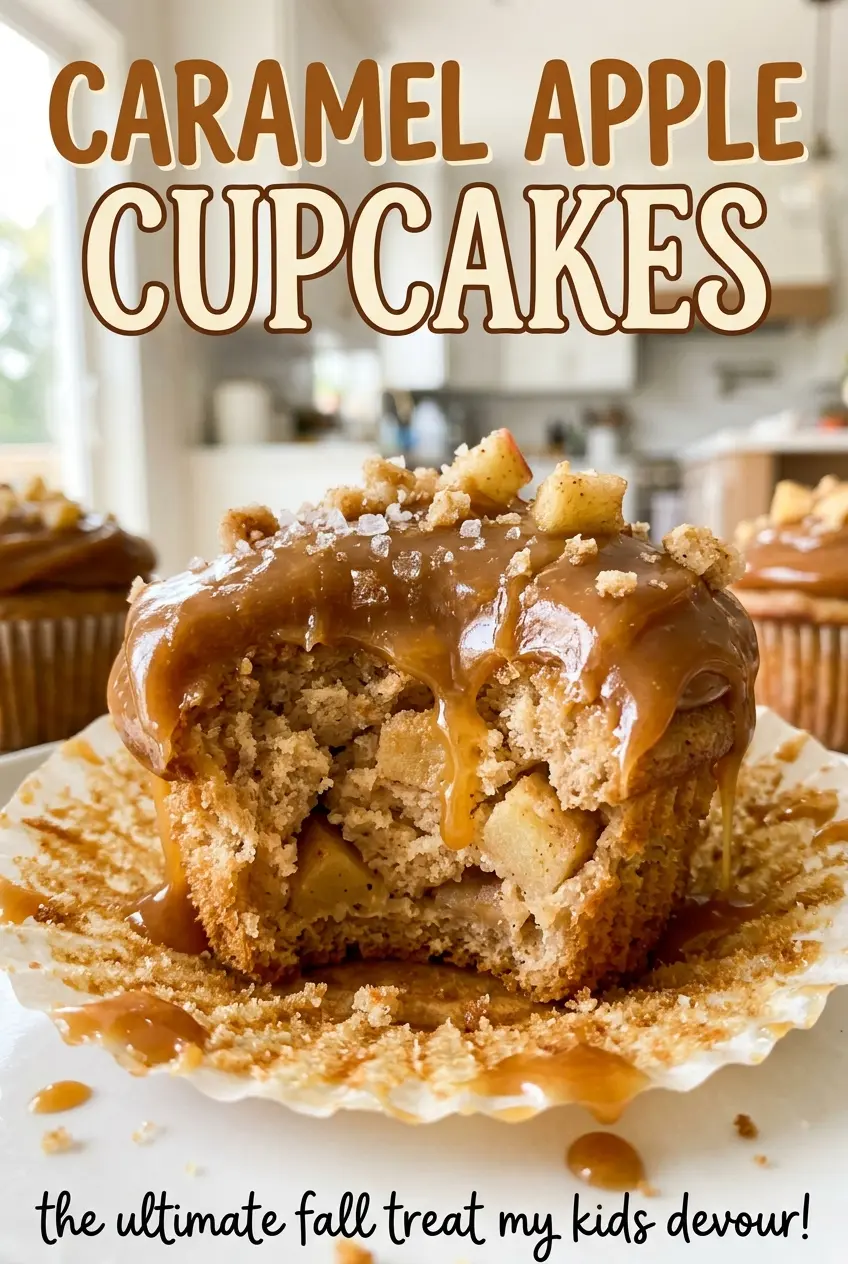
- Granny Smith apple — Its tart taste balances the brown sugar and caramel, and its firm flesh holds up when finely diced. Peel, core, and dice it before mixing the batter so it can go straight into the bowl.
- Vegetable oil — Oil helps keep the cake tender and moist. A fresh bottle is worth using here; an oil that smells stale will show through in a lightly spiced cake.
- Packed light brown sugar — It sweetens the cupcakes and brings a soft molasses note that suits the apple and cinnamon. Pack it into the measuring cup so the amount stays consistent.
- Sour cream — This adds moisture and a little tang to the batter. Bring it to room temperature with the eggs so it whisks in smoothly rather than leaving cool, dense streaks.
- All-purpose flour — Spoon it into the measuring cup and level the top instead of scooping directly from the bag. That keeps too much flour from weighing down the tender cake.
- Unsalted butter and powdered sugar — Softened butter gives the frosting its creamy base, while powdered sugar thickens it. Add the sugar gradually on low speed to keep a cloud of sugar from coating the counter.
- Thick caramel sauce — Thick sauce blends into the frosting without making it loose and sits on top as a visible drizzle. A thin pourable topping won’t give you the same spreadable frosting or defined finish.
- Eggs and heavy cream — Room-temperature eggs blend into the batter more readily, and the cream helps the caramel frosting become smooth and spreadable. The quality of the cream matters less than using it in the stated amount.
Mixing, Baking, and Finishing the Cupcakes Without Guesswork
Bring the wet and dry mixtures together gently
Heat the oven to 350°F and line a standard 12-cup muffin pan with paper liners. Whisk the flour, baking powder, baking soda, cinnamon, and salt in a medium bowl, then whisk the oil and brown sugar in a large bowl until combined. Whisk in the eggs one at a time, followed by the sour cream and vanilla. Fold in the flour mixture just until no dry streaks remain, then fold in the finely diced apple; extra stirring after the flour disappears can make the crumb heavy.
Bake until the cake gives a few moist crumbs
Divide the batter evenly among the liners and bake for 20–24 minutes. The tops should look set, and a toothpick pushed into cake—not an apple piece—should come out with a few moist crumbs. If it comes out with wet batter, give the pan a little more time and test another spot. Let the cupcakes sit in the pan for 5 minutes, then transfer them to a wire rack to cool completely.
Make a smooth frosting and finish with caramel
Beat the softened butter in a large bowl until creamy. Gradually beat in the powdered sugar on low speed, then beat in 3 tablespoons of the caramel sauce and the heavy cream until the frosting is smooth and spreadable. Spread it over the cooled cupcakes; frosting warm cake makes the topping soft and slippery. Drizzle the remaining caramel over the frosting in a thin stream.
Two Easy Ways to Change the Finish
Make a gluten-free batch
Replace the all-purpose flour with a cup-for-cup gluten-free baking blend made for cakes. Keep the same volume and fold only until the batter comes together; the finished crumb may be a little less tender, but the apple and caramel still fit the cake well.
Keep the caramel in the frosting, not on top
Skip the final drizzle and spread the caramel frosting as usual. The cupcakes still have caramel in every layer of frosting, but the top stays neater and the caramel sweetness is less concentrated in each bite.
Storage and Reheating
- Refrigerator: Store in an airtight container for up to 4 days. The cake firms up when chilled, and the frosting will feel firmer straight from the refrigerator.
- Freezer: Freeze the unfrosted cupcakes individually wrapped for up to 2 months. Thaw them in the refrigerator, then frost once fully thawed.
- Reheating: These are best served without reheating. Let refrigerated cupcakes sit at room temperature for 20–30 minutes to soften; microwaving can melt the frosting and make the cake hot in spots.
Questions That Come Up When Baking These Apple Cupcakes
Caramel Apple Cupcakes
Ingredients
Equipment
Method
- Heat the oven to 350°F and line a standard 12-cup muffin pan with paper liners.
- Whisk the flour, baking powder, baking soda, cinnamon, and salt together in a medium bowl.
- Whisk the oil and brown sugar together in a large bowl until combined.
- Whisk in the eggs one at a time.
- Whisk in the sour cream and vanilla.
- Fold in the flour mixture just until no dry streaks remain.
- Fold in the diced apple.
- Divide the batter evenly among the liners.
- Bake for 20–24 minutes, until a toothpick inserted into the cake (not an apple piece) comes out with a few moist crumbs.
- Cool the cupcakes in the pan for 5 minutes.
- Transfer the cupcakes to a wire rack and cool completely.
- Beat the softened butter in a large bowl until creamy.
- Gradually beat in the powdered sugar on low speed.
- Beat in 3 tablespoons of the caramel sauce and the heavy cream until the frosting is smooth and spreadable.
- Spread the frosting over the cooled cupcakes.
- Warm the remaining 2 tablespoons of caramel sauce in a microwave-safe bowl for 5–10 seconds.
- Drizzle the caramel sauce over the cupcakes.