
Breakfast Potatoes
When the lid comes off, the potatoes should be tender enough for a fork, but they won't have their browned edges yet. That’s exactly where this skillet needs to be:…

By Ava
•
•
Reading time: 8 min
Tip: save now, make later.
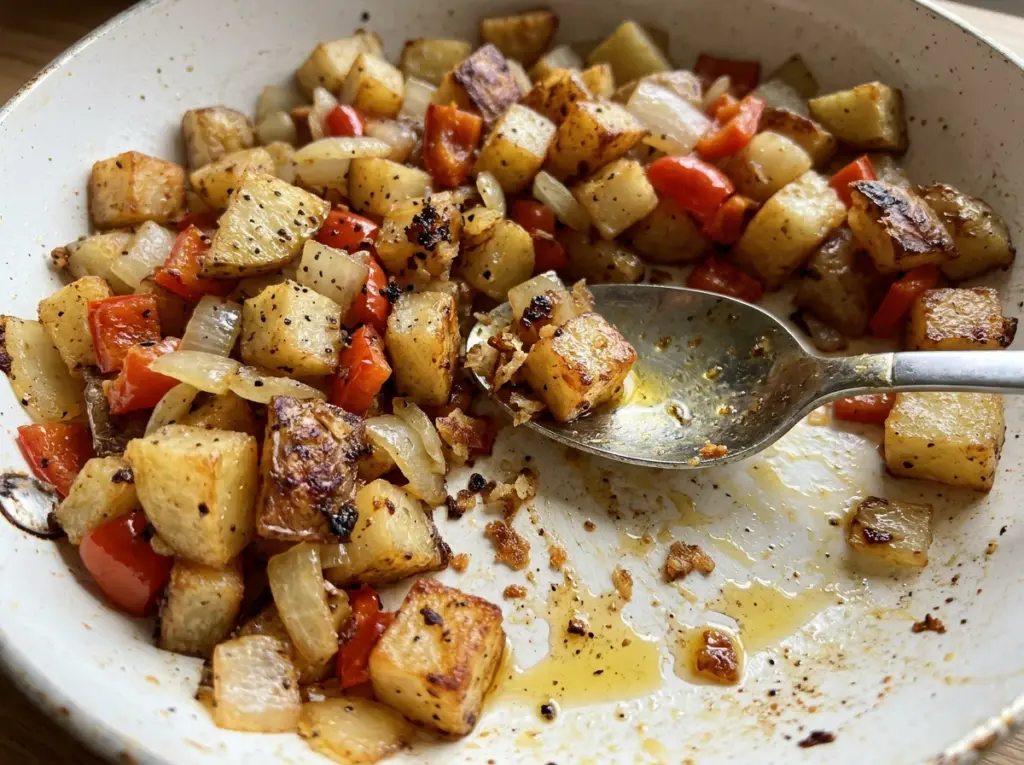
When the lid comes off, the potatoes should be tender enough for a fork, but they won’t have their browned edges yet. That’s exactly where this skillet needs to be: the covered cooking softens the centers first, and the uncovered finish gives the potatoes time to color. These breakfast potatoes use Yukon Golds, a little onion, and a short list of pantry seasonings.
I like this method because it doesn’t ask you to choose between a soft center and a browned outside. The potatoes cook in a 12-inch skillet, then the onion goes in after the lid comes off, so it softens while the potatoes finish browning. Keep the cubes close to the same size, and you’ll get tender bites with savory, golden edges.
Kitchen Note
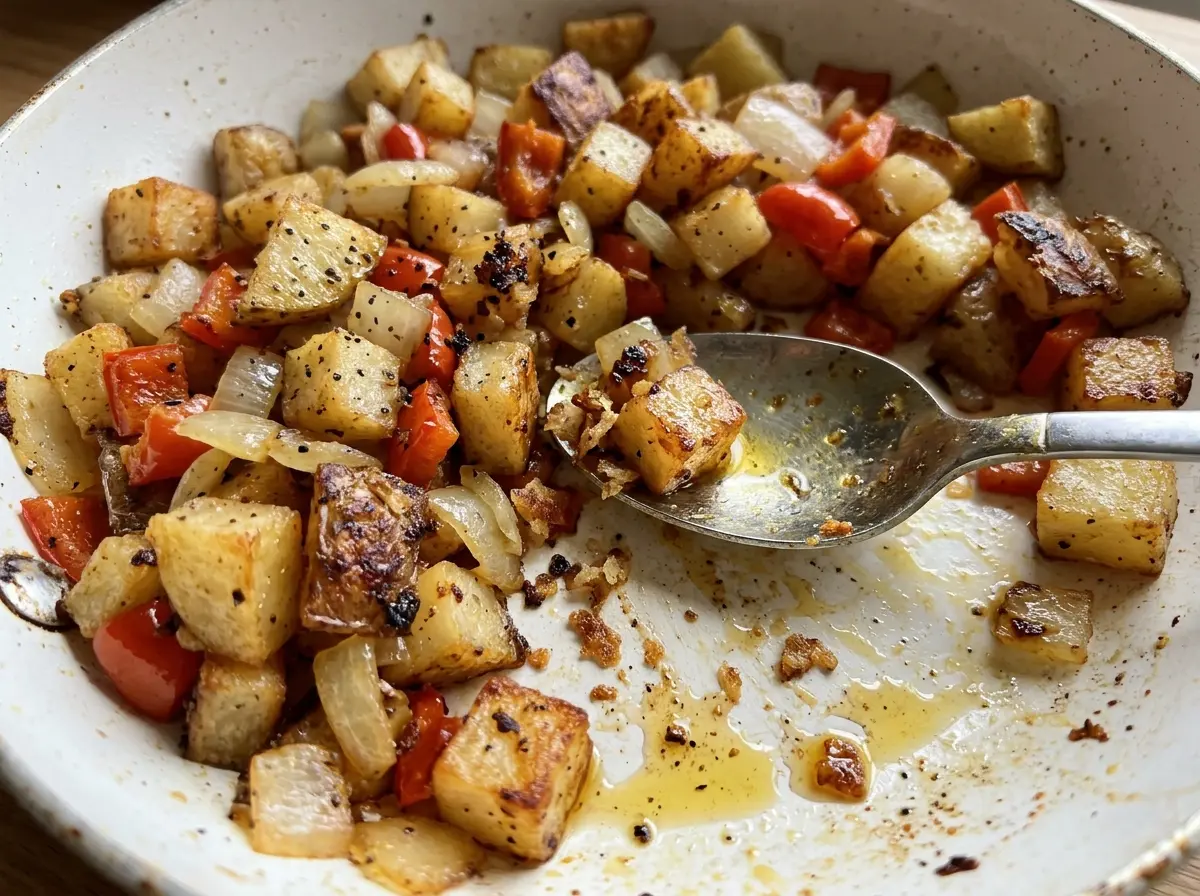
Stir the potatoes every 4 to 5 minutes while they’re covered, bringing the pieces from the bottom of the skillet up to the top. That regular turn keeps the potatoes from sticking in one spot and helps them cook evenly.
Save these breakfast potatoes for a morning when you want tender centers and browned skillet edges, with the onion cooked soft right alongside them.
Why These Potatoes Cook Through Before They Brown
Potatoes need time for the heat to reach the middle of each cube. Starting them covered over medium-low heat gives the pieces a gentler, more even cook before you ask their surfaces to brown. The lid also holds in the moisture released as the potatoes heat, which helps soften the centers without needing to add water.
Once the potatoes are fork-tender, the lid comes off and the heat goes up to medium. Any trapped moisture can escape, and the potatoes have more direct contact with the hot skillet as you turn them. Adding the onion at this point matters, too: finely chopped onion softens in the uncovered cooking time without sitting under the lid for the entire first stage. If you add it at the beginning, it has a longer time in the pan and can get too dark before the potato cubes finish.
The potato size is part of that balance. Half-inch cubes are small enough to cook through during the covered stage, but substantial enough to turn and brown without immediately falling apart. If the pieces are uneven, the smaller ones may be ready before the larger ones; cut with the same approximate dimensions for the most consistent skillet.
Why Yukon Golds Give This Skillet a Creamy Center and Brown Edges

- Yukon Gold potatoes — Their naturally creamy texture gives the centers a soft, almost buttery bite while the outside browns. Scrub them well, then cut them into evenly sized half-inch cubes; consistent pieces cook at a similar pace. Red potatoes can stand in if needed, though they’re firmer and less creamy once cooked.
- Vegetable oil — A neutral oil lets the potato and seasoning flavors come through, and an inexpensive bottle works well here. Keep the oil in the skillet as it heats so the potato surfaces have a coating before they start cooking. For a different flavor, the variation below uses olive oil instead.
- Yellow onion — Finely chopped onion softens quickly during the final uncovered stage and brings a gentle sweetness to the savory potatoes. A sweet onion can replace it in the same quantity, with a slightly sweeter finish. Keep the pieces small so they soften in the available cooking time.
- Paprika and garlic powder — These dry seasonings spread across the cubed potatoes and cling to the oil, giving each bite a warm, savory taste. Garlic powder is useful here because it coats the potatoes evenly; fresh garlic is not a direct swap, since small pieces can darken during the pan cooking. Ground spices don’t need to be premium, but they should smell fresh rather than dusty.
- Kosher salt and black pepper — Salt seasons the potato itself, while black pepper adds a mild bite. Distribute them with the other seasonings before covering the skillet so they don’t end up concentrated in just a few bites.
The Covered Start and Uncovered Finish for Breakfast Potatoes
Coating the Cubes Before the Lid Goes On
Heat the vegetable oil in a 12-inch skillet over medium-low heat. Add the potato cubes along with the kosher salt, paprika, garlic powder, and black pepper, then stir until the seasoning and oil coat the pieces. Spread the potatoes across the skillet before covering it so they aren’t all piled in one spot. The pieces should look lightly glossy, not dry with seasoning sitting at the bottom.
Softening the Potato Centers
Cover the skillet and cook the potatoes for 12 to 15 minutes, stirring every 4 to 5 minutes. Keep the heat at medium-low during this stage; the goal is to cook the centers without rushing the outside. Check a cube with a fork toward the end of the range. It should be fork-tender before you move on, even if it hasn’t browned much yet.
Adding the Onion and Browning the Edges
Uncover the skillet and stir in the finely chopped onion. Cook over medium heat for 8 to 12 minutes, turning the potatoes occasionally so different sides meet the hot pan. The potatoes are ready when they’re browned and fork-tender, and the onion is soft. If they’re tender but still pale, keep turning them during the remaining cooking time rather than leaving the pan covered.
Simple Changes for a Different Breakfast Potato Skillet
Use smoked paprika for a deeper, smoky note
Replace the regular paprika with smoked paprika in the same quantity. The potatoes keep their warm color, but pick up a distinct smoky aroma that makes the skillet taste more savory.
Use olive oil for a more pronounced finish
Swap the vegetable oil for the same quantity of olive oil. Its fruitier taste is more noticeable against the potatoes, and the skillet remains plant-based, vegan, and dairy-free.
Make the skillet without onion
Leave out the onion if you prefer a simpler potato-and-spice skillet. The potatoes will still cook in the same two stages; expect a more direct potato flavor without the onion’s soft sweetness.
Storage and Reheating
- Refrigerator: Store leftovers in a covered container for 3 to 4 days. The potatoes will soften and lose some of their browned-edge texture.
- Freezer: They freeze safely, though thawed potatoes tend to be softer and less crisp. Cool them, freeze in a single layer until firm, then transfer to an airtight freezer container for up to 2 months.
- Reheating: Reheat in a skillet over medium heat, turning the potatoes until hot throughout; leftovers should reach 165°F. Avoid crowding the pan, which can warm them unevenly and leave them soft rather than letting the edges regain color.
Questions That Come Up While Cooking Breakfast Potatoes
Breakfast Potatoes
Ingredients
Equipment
Method
- Heat the vegetable oil in a 12-inch skillet over medium-low heat.
- Add the potatoes, salt, paprika, garlic powder, and black pepper, and stir to coat.
- Cover and cook for 12–15 minutes, stirring every 4–5 minutes.
- Uncover and stir in the onion.
- Cook over medium heat for 8–12 minutes, turning the potatoes occasionally, until the potatoes are fork-tender and browned and the onion is soft.