
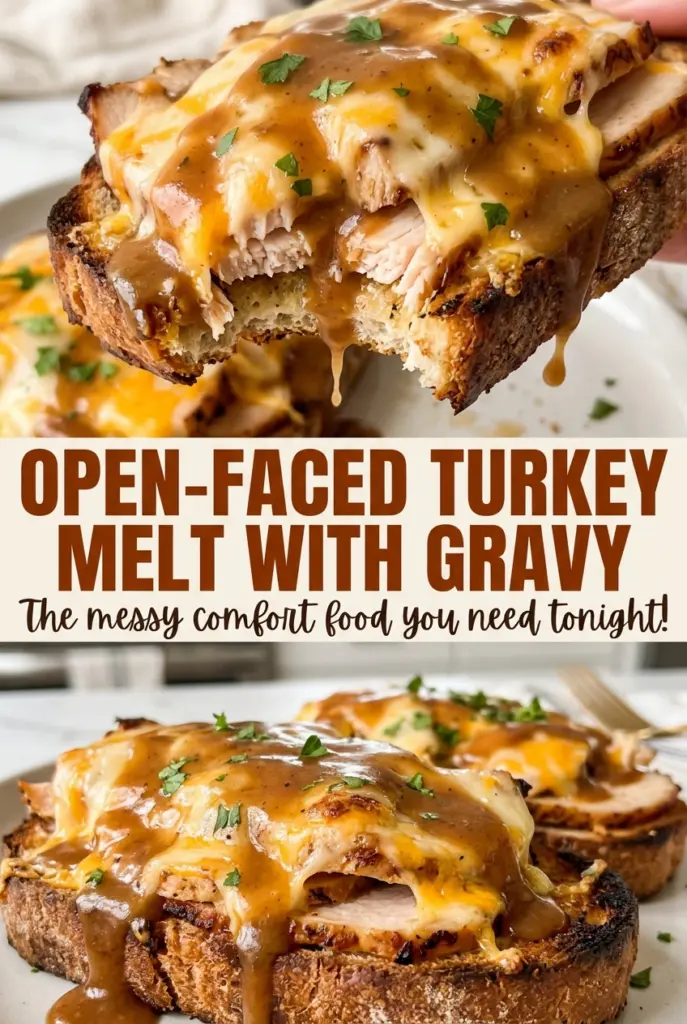
Open-Faced Turkey Melt with Gravy
The gravy should cling to the spoon, not disappear into the bread the moment it lands. I learned that a quick toast on both sides makes all the difference: the…

By Ava
•
•
Reading time: 9 min
Tip: save now, make later.
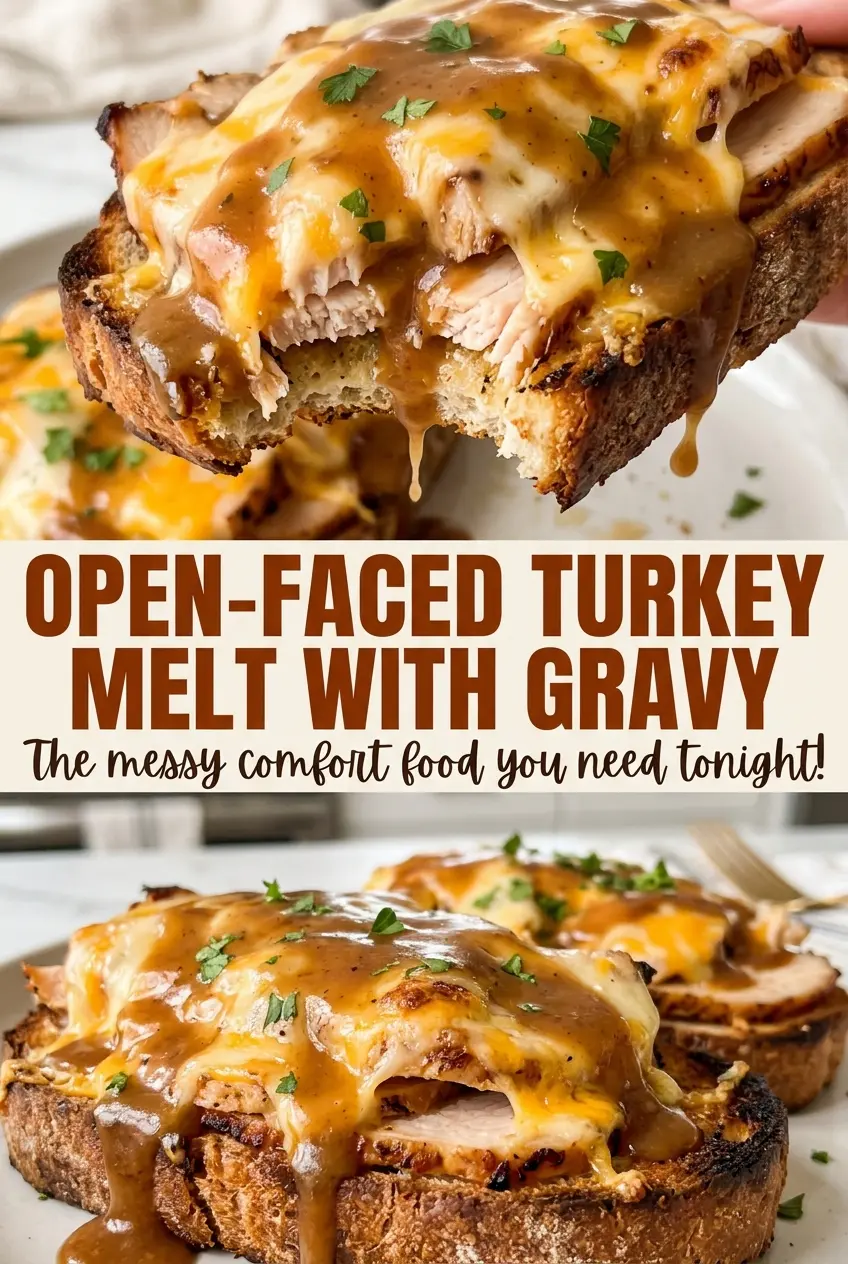
The gravy should cling to the spoon, not disappear into the bread the moment it lands. I learned that a quick toast on both sides makes all the difference: the sourdough stays sturdy under warm turkey and gravy, while the provolone melts into a bubbling top. That’s the balance I want in an open-faced turkey melt—crisp edges, tender turkey, and enough gravy to coat every bite without turning the toast soggy.
I make the gravy in one saucepan, starting with butter and flour before slowly whisking in low-sodium chicken broth. That little bit of patience while the broth goes in keeps the texture smooth, and the finished gravy has enough body to settle around the turkey instead of running off the bread. Once the turkey is warm, the broiler takes care of the toast and cheese in just a few minutes. The result is a comforting, savory melt with crisp sourdough underneath and a soft, cheesy finish.
Kitchen Note
After the turkey goes into the gravy, keep the burner at medium-low and stir now and then. A hard simmer can tighten the slices before the cheese ever reaches the broiler.
Save this open-faced turkey melt for a cozy meal with crisp sourdough, tender turkey, and bubbling provolone over homemade gravy.
Why the Toast Needs a Head Start Before the Gravy Hits
Open-faced melts have one small problem: bread keeps soaking up liquid after you assemble them. If the toast is barely warmed, the gravy softens the middle before the cheese has time to melt. A quick toast on both sides creates a firmer surface, so the bread holds its shape beneath the turkey. You still get a little gravy in every bite, but the sourdough doesn’t collapse into a soft pile.
There’s a second reason to keep that first broil brief. The bread goes back under the broiler once it’s topped, and that’s when the provolone melts and bubbles. Dark toast at the start can turn bitter or too crisp during the final pass. Aim for lightly toasted bread, not deep color; the edges should feel drier and just begin to take on color. Then spoon on the turkey and gravy and let the cheese finish the job.
This is also why I assemble the melts right before the final broil instead of letting them sit around. The toast stays at its best, and the cheese gets a short, direct blast of heat rather than a long bake that can dry out the turkey.
What the Gravy, Bread, and Cheese Each Bring to the Melt
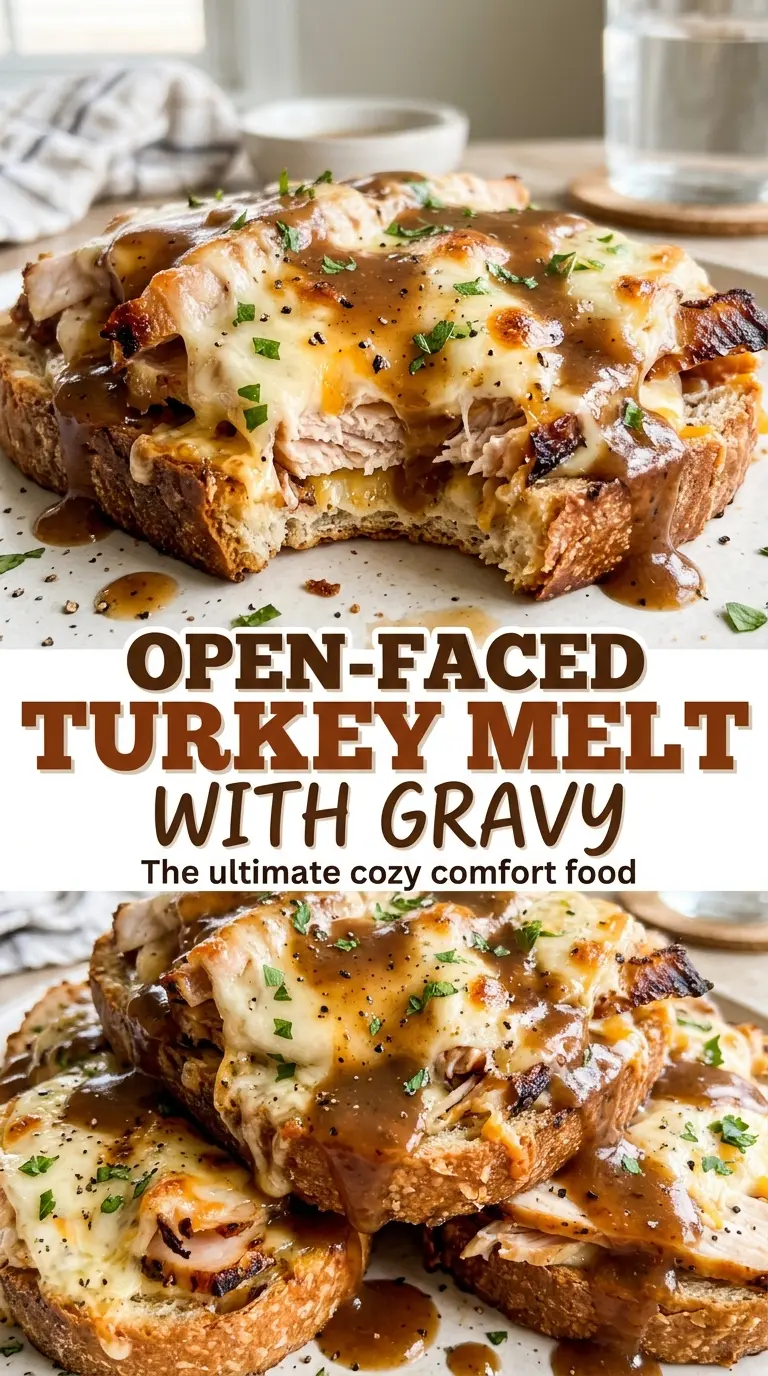
- Butter and all-purpose flour — Together, these form the gravy’s base and give it enough body to coat the turkey. Regular unsalted butter and all-purpose flour work well; there’s no need for specialty brands. Salted butter can stand in, but leave out the added kosher salt at first and adjust only after tasting.
- Low-sodium chicken broth — It gives the gravy savory depth while leaving room to control the seasoning. If regular broth is what you have, begin without the added salt; broth brands vary in saltiness. Choose a broth you’d be happy to sip, since its flavor carries through the finished sandwich.
- Sourdough bread — Its tang balances the rich gravy, and a sturdy slice holds up better than a thin, soft sandwich loaf. A basic bakery or grocery-store sourdough is plenty; an extra-expensive loaf isn’t necessary. Rye bread is a good swap if you want a stronger, earthy flavor.
- Cooked turkey breast — Sliced cooked turkey warms quickly and gives the gravy plenty of surface area to cling to. Leftover roast turkey works just as well as freshly cooked turkey breast, as long as it’s sliced or cut into pieces that warm evenly.
- Provolone — It melts smoothly and has a mild taste that lets the turkey and gravy stay in front. Pre-sliced provolone is convenient, and a deli slice or packaged slice both work. Swiss is an easy swap for a nuttier, more assertive finish.
Build the Gravy First, Then Give the Melt Two Quick Broiler Passes
Cook the butter-flour base until it smells lightly nutty
Melt the unsalted butter in a medium saucepan over medium heat, then whisk in the all-purpose flour. Keep the whisk moving as the mixture cooks for 1–2 minutes; it should look smooth and pale golden, not brown. This brief cooking time takes away the raw flour taste without making a dark gravy. If the mixture looks dry or lumpy before the broth goes in, keep whisking until the butter and flour are evenly combined.
Whisk in broth gradually and simmer to a spoon-coating texture
Pour in the low-sodium chicken broth gradually while whisking, then add the kosher salt and black pepper. Adding the liquid in stages helps the flour mixture loosen without forming stubborn lumps. Let the gravy simmer for 3–5 minutes, whisking often, until it thickens enough to coat a spoon. If it still runs off like broth, give it another moment at a gentle simmer rather than turning the heat up sharply.
Warm the sliced turkey gently in the gravy
Add the cooked turkey to the saucepan and stir to coat the slices. Cook over medium-low heat for 6–10 minutes, stirring occasionally, until the turkey reaches 165°F. The gravy should bubble gently, not boil hard; a forceful boil can make the turkey less tender. Keep the pan close by once the turkey is hot so the gravy doesn’t reduce too far before assembly.
Toast the sourdough, top it, and broil until the cheese bubbles
Set an oven rack about 6 inches from the broiler element and preheat the broiler to high. Arrange the sourdough slices on a rimmed baking sheet and broil for 1–2 minutes per side, until lightly toasted. Divide the turkey and gravy among the toast, add a slice of provolone to each, then broil for 1–2 minutes until the cheese is melted and bubbling. Stay by the oven for this last pass; broilers can take the cheese from bubbling to scorched quickly.
Simple Swaps for a Different Loaf or a Gluten-Free Melt
Use rye for a deeper, earthier sandwich
Swap the sourdough for sturdy rye slices and toast them the same way. Rye’s stronger flavor stands up to the gravy and gives the melt a more savory edge; choose slices thick enough to support the topping.
Make it gluten-free with bread and flour swaps
Use sturdy gluten-free bread and replace the all-purpose flour with a one-to-one gluten-free flour blend that works in sauces. The gravy may be a little less silky than the wheat-flour version, so whisk carefully as the broth goes in and let it simmer until it coats a spoon.
Storage and Reheating
- Refrigerator: Store the turkey and gravy in an airtight container for 3–4 days. Keep it separate from the bread; toasted sourdough softens as it sits under gravy.
- Freezer: The turkey and gravy freeze well in an airtight freezer-safe container for up to 2–3 months. Freeze the bread separately if you’d like, and assemble the melts after thawing for a better texture.
- Reheating: Warm the turkey and gravy in a saucepan over low heat, stirring occasionally, until steaming. Add a small splash of broth if the gravy has thickened in the refrigerator; don’t reheat an assembled sandwich, which leaves the bread soggy before the cheese warms through.
Questions That Come Up When Making Turkey Melts
Open-Faced Turkey Melt with Gravy
Ingredients
Equipment
Method
- Melt the butter in a medium saucepan over medium heat.
- Whisk in the flour and cook for 1-2 minutes.
- Gradually whisk in the broth, salt, and pepper.
- Simmer for 3-5 minutes, whisking often, until the gravy thickens enough to coat a spoon.
- Add the turkey and cook over medium-low heat, stirring occasionally, for 6-10 minutes until the turkey reaches 165°F.
- Set an oven rack about 6 inches from the broiler element.
- Preheat the broiler to high.
- Arrange the bread on a rimmed baking sheet and broil for 1-2 minutes per side until lightly toasted.
- Divide the turkey and gravy among the toast slices.
- Top each with a slice of provolone.
- Broil for 1-2 minutes until the cheese is melted and bubbling, watching closely to prevent burning.