
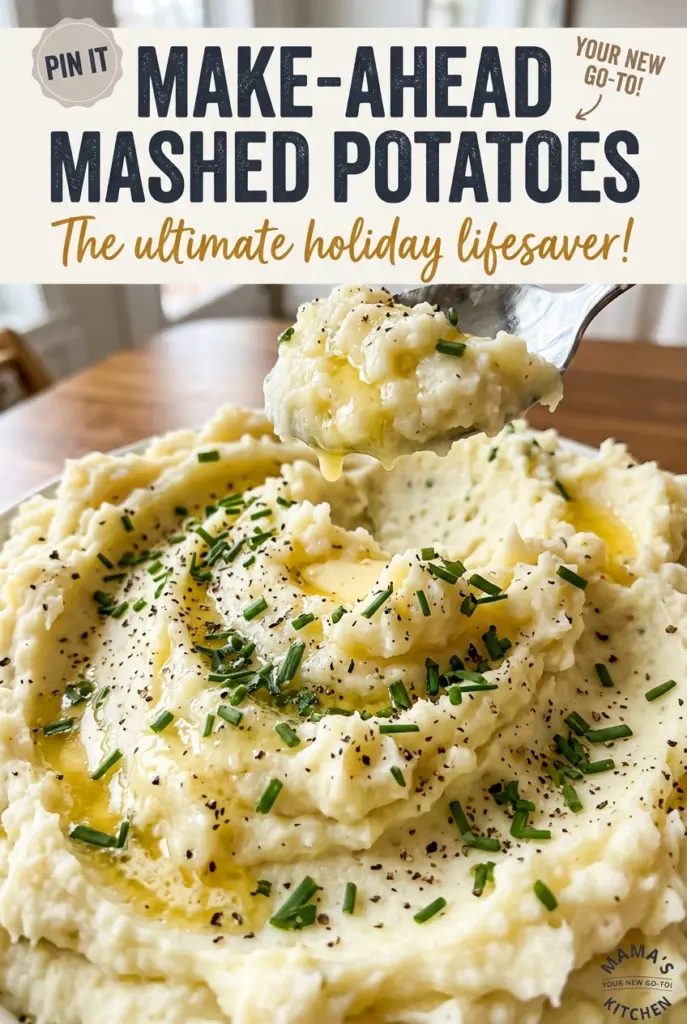
Make-Ahead Mashed Potatoes
As the potatoes simmer, their edges soften first, but a fork should still slide easily into the center before you drain them. Getting that tenderness right matters even more when…

By Ava
•
•
Reading time: 8 min
Tip: save now, make later.
As the potatoes simmer, their edges soften first, but a fork should still slide easily into the center before you drain them. Getting that tenderness right matters even more when the mash will chill and bake again, which is why I keep the chunks evenly cut for these Make-Ahead Mashed Potatoes.
Yukon Golds give this batch a naturally creamy texture, and warming the butter with the half-and-half helps it blend in smoothly instead of cooling the potatoes. I spread the finished mash in a baking dish, cover it, and let the oven do the last bit of work when it’s time to eat. The result is a soft, rich scoop with a gentle tang from the sour cream.
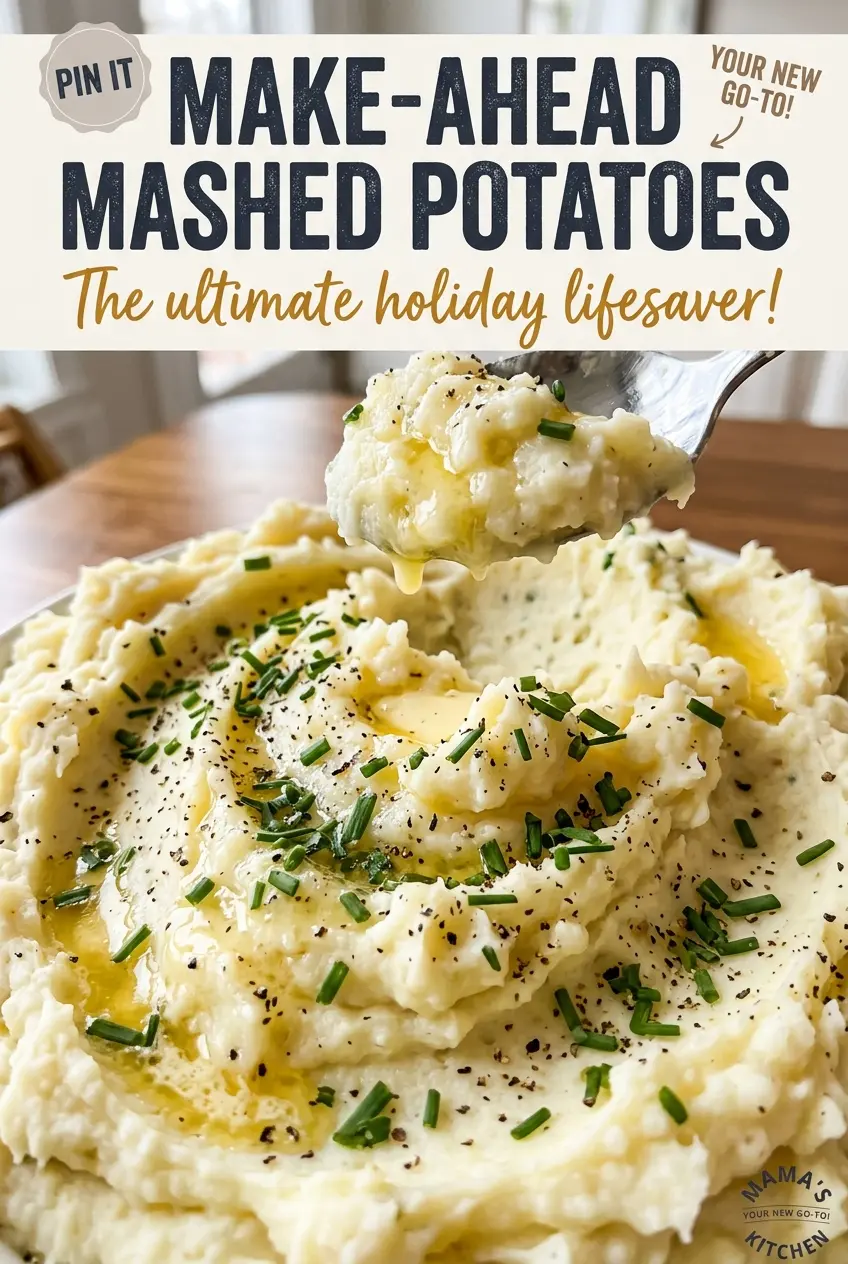
Kitchen Note
Spread the mash into the corners of the baking dish while it’s still warm. A level layer gives the covered pan a consistent depth, so the center and edges warm at a similar pace.
Save these Make-Ahead Mashed Potatoes for an easier meal prep day: creamy Yukon Golds, sour cream, and a covered dish ready for the oven.
Why Even Potato Chunks Matter More Than You’d Expect
Uneven pieces cook at different rates. The smaller ones can turn soft and waterlogged while the larger ones are still firm in the middle, and that makes a consistent mash harder to achieve. Cutting the Yukon Golds into similarly sized chunks gives them a better chance of becoming tender together.
Starting them in cold water helps the heat move through the potatoes gradually as the pot comes up to a boil. It’s a useful detail for a make-ahead mash, because the potatoes need to be tender throughout before you drain and mash them. The water should cover the pieces by about an inch, with a little extra added if needed. Salt in the cooking water seasons the potatoes as they cook, rather than leaving all the seasoning to the surface later.
This isn’t a place to rush by turning the heat up and letting the pot rage. Once the water boils, lower the heat to a simmer and give the chunks time to soften evenly. That steady cooking helps the finished mash stay creamy instead of alternating between firm bites and broken-down edges.
What Yukon Golds, Warm Dairy, and Sour Cream Each Bring
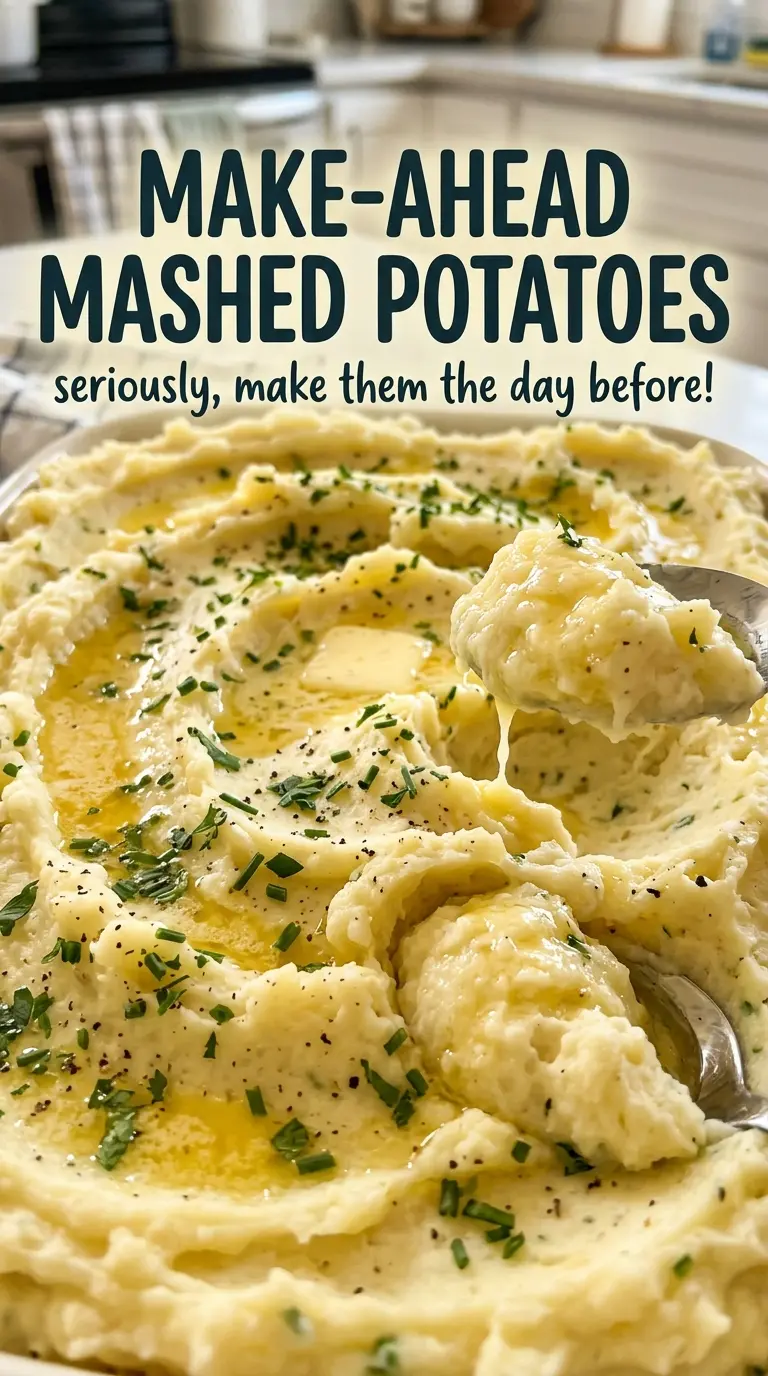
- Yukon Gold potatoes — Their naturally creamy, buttery character suits a smooth mash without needing another ingredient to build richness. Peel them before cutting so the finished texture stays tender and even.
- Unsalted butter and half-and-half — Together they make the mash rich and soft, with the half-and-half loosening the potatoes as the butter melts through. Unsalted butter lets the measured kosher salt do the seasoning, while warming these two together helps them incorporate without chilling the potatoes.
- Sour cream — It gives the mash a mild tang that keeps the buttery taste from feeling flat. Bringing it to room temperature helps it blend more readily into the warm potatoes.
- Nonstick cooking spray — A light coating on the baking dish makes serving easier after the mash has chilled and reheated. The dish still holds the potatoes in an even layer for baking.
- Black pepper — It adds a gentle, earthy bite rather than heat. Freshly ground pepper gives a more noticeable aroma, but ordinary ground black pepper works well here.
Building the Mash So It Cools and Reheats Evenly
Bring the potatoes up from cold water
Put the peeled, evenly cut potato chunks in an 8-quart pot and cover them with cold water by about an inch. Stir in 2 teaspoons of the kosher salt, bring the pot to a boil over high heat, then reduce the heat to a simmer. Keep the water at a steady simmer rather than a hard boil, which can batter the outside of the chunks before their centers are tender.
Cook until a fork slips in easily
Simmer the potatoes for 15 to 20 minutes, checking a piece with a fork near the end. It should pierce easily without the potato crumbling apart in the pot. If the center still feels firm, give the chunks a little more time rather than draining them early; firm centers can leave lumps in the finished mash.
Let excess water evaporate
Drain the potatoes well, then return them to the pot over low heat for 1 minute. Shake the pot occasionally while they sit. This short, dry spell helps keep leftover cooking water from thinning the mash, so don’t skip it even though the potatoes have already been drained.
Warm the dairy, then mash
In a small saucepan over low heat, warm the butter and half-and-half until the butter has melted and the mixture is steaming. Don’t let it boil. Mash the potatoes and gradually mix in the warm butter mixture, room-temperature sour cream, the remaining kosher salt, and black pepper until creamy. Add the warm mixture gradually so you can stop when the potatoes reach a soft, cohesive texture.
Chill in the dish and reheat covered
Spread the mash in the prepared 9×13-inch baking dish and let it cool for 20 minutes before covering it. When you’re ready to serve, heat the covered dish in the oven and stir once halfway through. The center should be hot all the way through; the exact oven temperature and timing are in the storage notes below.
How to Change the Tang or Pepper Without Rebuilding the Mash
Leave out the black pepper
For a milder, pepper-free mash, omit the black pepper and keep the rest of the ingredients and method the same. You’ll lose its little earthy edge, while the sour cream and butter still give the potatoes plenty of character.
Make the potatoes less tangy
Omit the sour cream for a more straightforward, buttery potato flavor. The mash will be less tangy and a little less plush, but the butter and half-and-half still make it creamy. This change doesn’t make the dish dairy-free.
Storage and Reheating
- Refrigerator: Cover and refrigerate for up to 2 days. Refrigerate within 2 hours of cooking.
- Freezer: I don’t recommend freezing this mash; the dairy can separate after thawing and leave the potatoes grainy.
- Reheating: Heat the covered dish in a 350°F oven for 45 to 60 minutes, stirring once halfway through, until the center reaches 165°F. Keep it covered while it heats so the surface doesn’t dry out.
Questions That Come Up With Make-Ahead Mashed Potatoes
Make-Ahead Mashed Potatoes
Ingredients
Equipment
Method
- Lightly coat a 9x13-inch baking dish with nonstick cooking spray.
- Put the potatoes in an 8-quart pot and add the cold water to cover them by about 1 inch.
- Stir 2 teaspoons of the salt into the water, bring it to a boil over high heat, then reduce the heat and simmer for 15 to 20 minutes, until the potatoes are easily pierced with a fork.
- Drain the potatoes well and return them to the pot over low heat for 1 minute, shaking the pot occasionally to evaporate excess moisture.
- In a small saucepan over low heat, warm the butter and half-and-half until the butter melts and the mixture is steaming; do not let it boil.
- Mash the potatoes, gradually mixing in the warm butter mixture, sour cream, remaining 1 teaspoon salt, and black pepper until creamy.
- Spread the potatoes in the prepared baking dish and let them cool for 20 minutes.
- Cover and refrigerate for up to 2 days; refrigerate within 2 hours of cooking.
- Heat the covered dish in a 350°F oven for 45 to 60 minutes, stirring once halfway through, until the center reaches 165°F.