
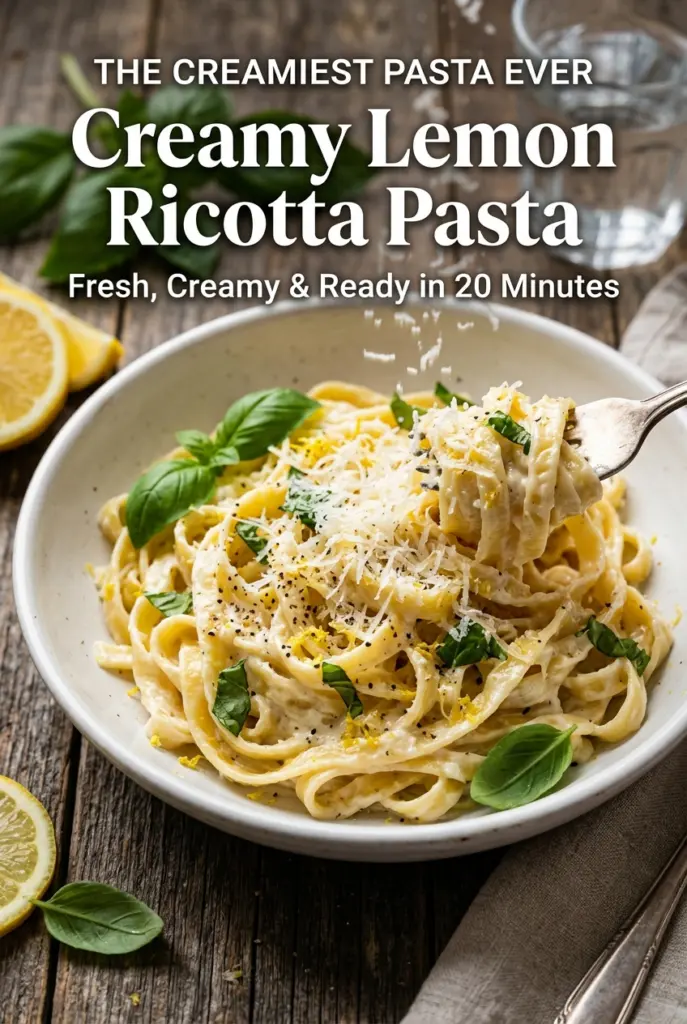
Creamy Lemon Ricotta Pasta
Creamy lemon ricotta pasta has that rare kind of sauce that feels light on the fork but still coats every strand with something silky and rich. The ricotta gives it…

By Ava
•
•
Reading time: 9 min
Tip: save now, make later.
Creamy lemon ricotta pasta has that rare kind of sauce that feels light on the fork but still coats every strand with something silky and rich. The ricotta gives it body without turning heavy, the Parmesan adds a salty edge, and the lemon keeps the whole bowl bright instead of dull or flat. It’s the kind of pasta that tastes like you put in more effort than you did.
The key is treating the ricotta like a sauce base, not a topping. When it meets warm butter, garlic, lemon zest, and a little pasta water, it loosens into a smooth, glossy coating that clings to the pasta instead of clumping. Fresh lemon juice wakes everything up, but the zest is what carries the citrus flavor through the whole dish, so don’t skip it.
Below you’ll find the exact moments that matter most: how to keep the sauce from turning grainy, how much pasta water to add, and a few smart ways to adapt the recipe if you need a different pasta or a dairy-free swap.
The sauce turned silky after I added the pasta water a little at a time, and it clung to the noodles instead of pooling at the bottom. The lemon was bright but not sharp, and my husband went back for seconds before I even sat down.
Save this creamy lemon ricotta pasta for the nights when you want a bright, silky sauce with almost no cleanup.
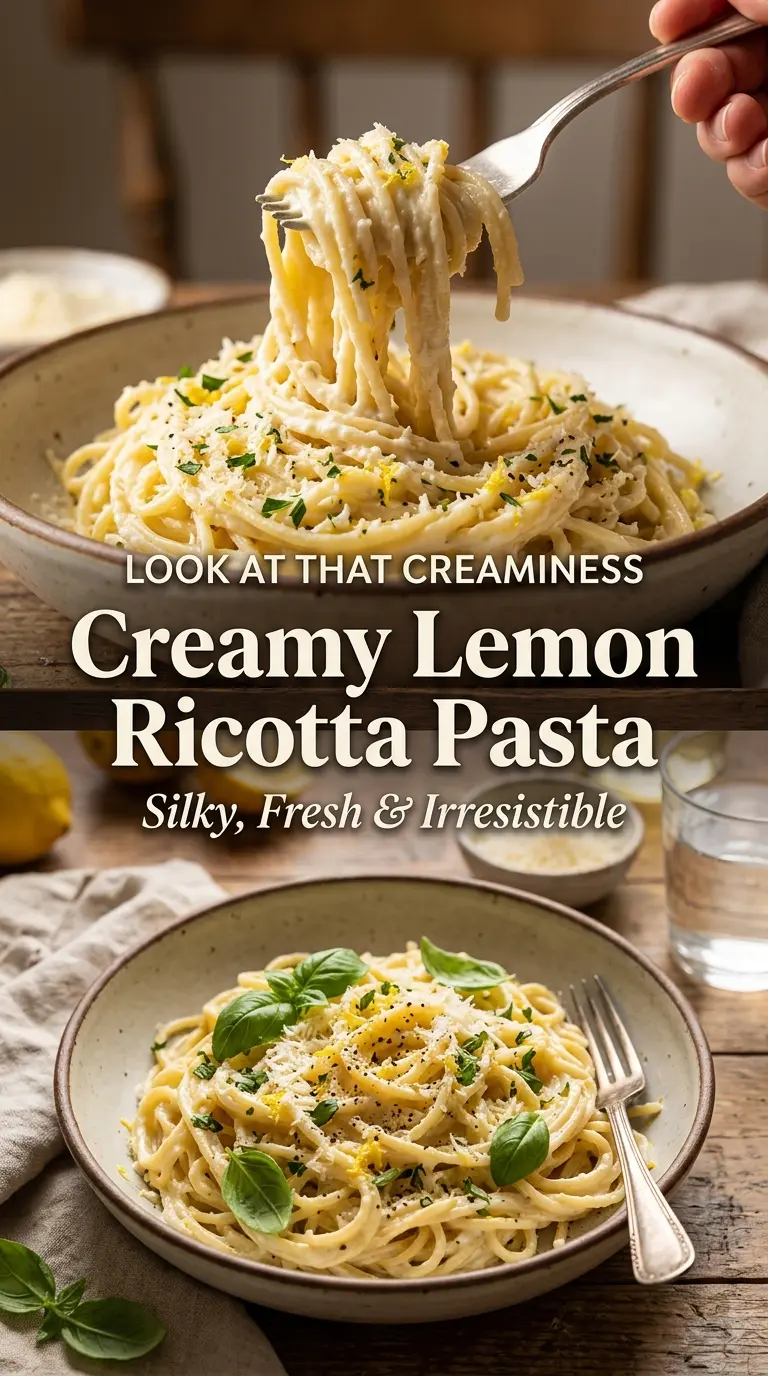
The Fastest Way to Ruin Ricotta Pasta: Adding the Wrong Amount of Pasta Water
Ricotta can go from creamy to chalky fast if it’s treated like a straight swap for cream. It needs starchy pasta water to loosen and emulsify, and it needs that water added gradually. Dumping in too much at once thins the sauce before it has a chance to become glossy, while too little leaves you with a thick, paste-like coating that won’t spread across the pasta.
The other common failure is heat. If the pan is too hot when the ricotta goes in, the texture can turn grainy instead of smooth. Warm butter and garlic are enough here. The sauce comes together because the ricotta is stirred with the pasta water off direct high heat, which keeps the dairy tender and the lemon bright.
- Whole milk ricotta — This is the backbone of the sauce. Part-skim ricotta works in a pinch, but it’s drier and less plush, so you’ll need a little extra pasta water to get the same silkiness.
- Freshly grated Parmesan — Pre-grated cheese doesn’t melt as cleanly and can make the sauce grainy. Grating it yourself gives you a smoother finish and a sharper, saltier flavor.
- Lemon zest and juice — The zest carries the real lemon aroma; the juice adds brightness. Using only juice makes the sauce taste flat and sharper than it should, so keep both.
- Reserved pasta water — This is what turns the mixture from thick ricotta into an actual sauce. Start with less than you think you need, then add more until the pasta looks lightly coated and glossy.
How to Turn Ricotta Into a Silky Sauce in the Same Pan
Salting the Water and Cooking the Pasta Just Short of Done
Bring the water to a strong boil before the pasta goes in, and season it well enough that it tastes lightly briny. That salt is your first layer of seasoning, and it matters because ricotta sauce is mild by nature. Pull the pasta when it’s still got a little bite in the center; it will finish in the sauce, and overcooked pasta will go soft the second the ricotta hits it.
Waking Up the Garlic in Butter
Melt the butter over medium heat, then add the garlic just until it smells fragrant, usually around 30 seconds. You’re not looking for color here. If the garlic browns, it turns bitter and the sauce gets a harsh edge that the lemon can’t hide.
Building the Ricotta Base
Stir in the ricotta, Parmesan, lemon zest, lemon juice, and Italian seasoning while the pan is still gentle, not scorching. The mixture will look thick at first, and that’s fine. Add the pasta water a splash at a time and keep stirring until the sauce turns smooth, loose, and shiny enough to coat the back of a spoon.
Finishing the Pasta in the Sauce
Add the drained pasta straight into the skillet and toss it until every strand looks evenly dressed. If the sauce tightens up, add another spoonful of pasta water and toss again. The final texture should be creamy and flowing, not clumpy or dry, and it should cling to the noodles instead of collecting underneath them.
What to Change When You Want a Different Version of This Pasta
Gluten-Free Pasta That Still Holds the Sauce
Use a sturdy gluten-free spaghetti or linguine and cook it just to the lower end of the package time. Gluten-free pasta can break down fast once it’s tossed with sauce, so undercooking by a minute helps it stay intact while you finish the dish in the skillet.
Dairy-Free Version With a Different Kind of Creaminess
Swap in a plain dairy-free ricotta and use a vegan Parmesan-style cheese if you have one that melts well. The result won’t taste exactly the same, but you’ll still get a soft, lemony sauce with enough body to coat the pasta. Add the pasta water slowly, since some plant-based ricottas loosen faster than dairy ricotta.
Making It Heartier With Chicken or Peas
Fold in cooked chicken or a handful of peas at the end if you want more substance. Chicken gives you a fuller meal without changing the sauce, while peas add a sweet pop that works well with the lemon. Add either after the pasta is coated so the sauce doesn’t get watered down while ingredients cook through.
Storage and Reheating
- Refrigerator: Store leftovers in an airtight container for up to 3 days. The sauce will tighten as it chills.
- Freezer: I don’t recommend freezing this one. Ricotta sauces can turn grainy after thawing and the pasta texture suffers.
- Reheating: Warm it gently in a skillet over low heat with a splash of water or milk, stirring until the sauce loosens again. High heat is what makes dairy sauces split or turn dry.
Answers to the Questions Worth Asking
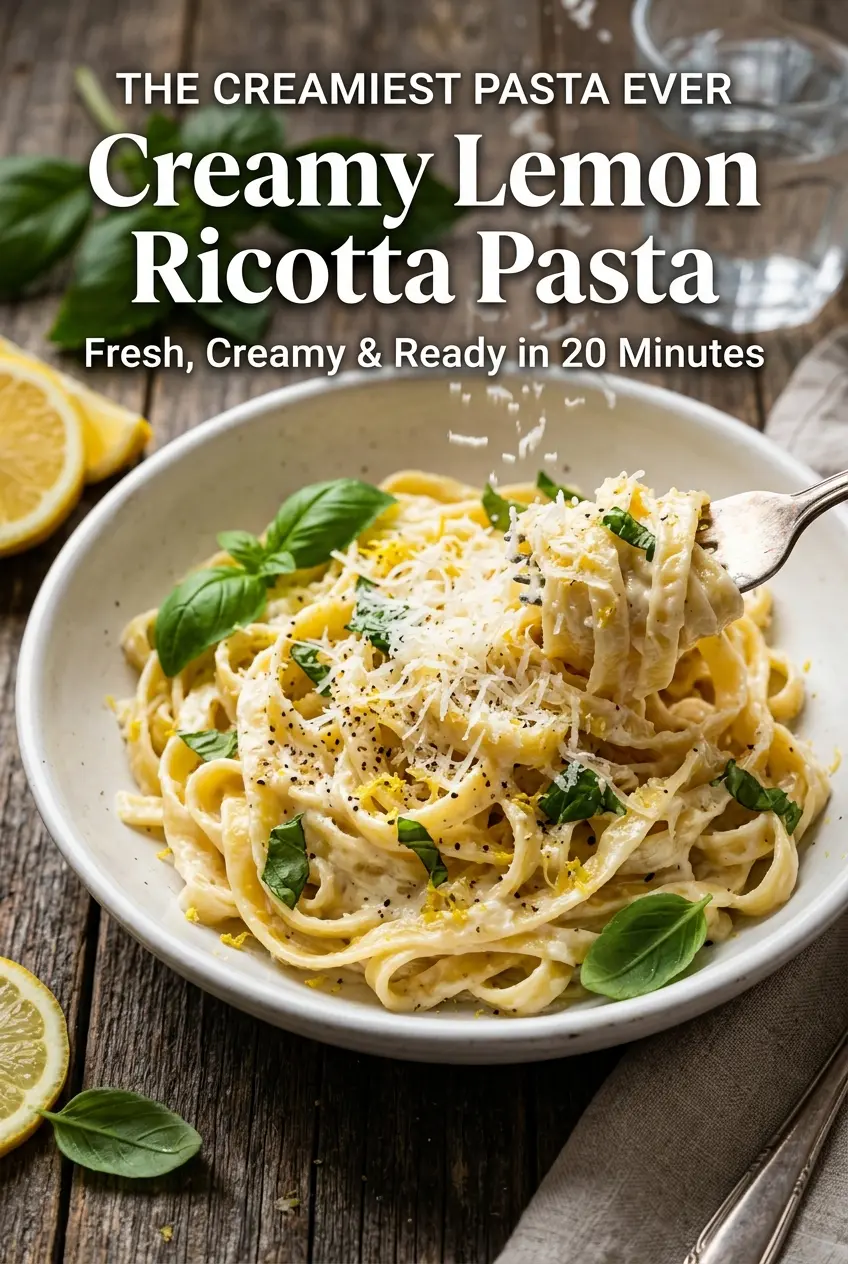
Creamy Lemon Ricotta Pasta
Ingredients
Equipment
Method
- Bring a large pot of salted water to a boil. Use vigorous boiling so the pasta cooks evenly.
- Cook the pasta until al dente according to package directions. Stir once or twice during cooking to prevent sticking.
- Reserve 1/2 cup of pasta water before draining. Set it aside so you can loosen the sauce later.
- Melt the butter in a large skillet over medium heat. Let it melt fully without browning.
- Sauté the garlic for about 30 seconds until fragrant. Keep the heat at medium so it doesn’t burn.
- Stir in the ricotta, Parmesan, lemon zest, lemon juice, and Italian seasoning. Mix until the mixture looks thick and cohesive.
- Slowly add the reserved pasta water until the sauce becomes silky and smooth. Add a splash at a time and stir continuously.
- Add the cooked pasta and toss until evenly coated. Toss for 30–60 seconds so the pasta absorbs flavor.
- Season with salt and pepper. Taste and adjust so the lemon flavor pops.
- Garnish with extra Parmesan, basil, parsley, and lemon zest. Scatter herbs lightly so they stay bright.
- Serve immediately. Add lemon slices and cracked black pepper on top right before eating.